

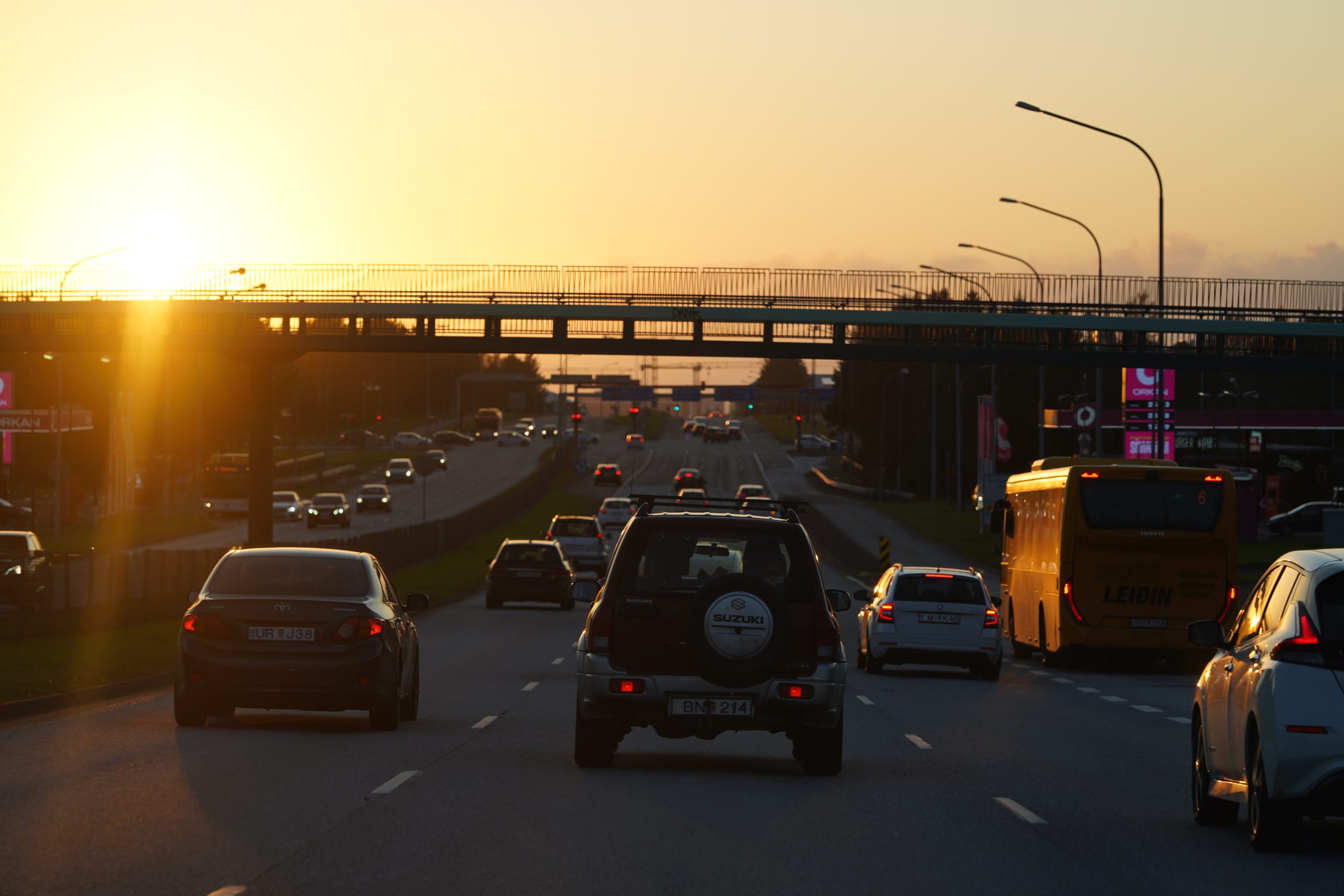
On February 16, amounts of particulate matter measured at noon exceeded average pollution measurements in the Capital Area. According to the website Loftgæði.is, serviced by the Icelandic Environment and Energy Agency, levels of PM10 particulates reached 199.8 micrograms per cubic metre at Grensásvegur, compared to the per-day health measure of 50 micrograms per cubic metre.
The pollution results from car traffic combined with still winds and dry weather. In a press release sent by the City of Reykjavík, the Reykjavík Health Inspection encourages the elderly, children, and those with sensitive respitory systems to limit outdoor activity.
Furthermore, people are encouraged to travel by public transport and to limit unnecessary trips, and workplaces are encouraged to offer remote work sessions.
Drivers not safe from pollution
As reported by RÚV, the city is unable to enforce dust binding efforts due to shortage of necessary chemicals, although a shipment is expected later this week.
In an interview with Rás 2, emergency physician Hjalti Már Björnsson warned of the health issues caused by heavy traffic pollution. He stated that particulate matter resulted by pollution cause heart attacks, coronary thromboses and brain aneurysms. Hjalti emphasised that drivers are not left unharmed by the pollution, as cars’ filtration systems are not equipped to filter out harmful particulates.


