

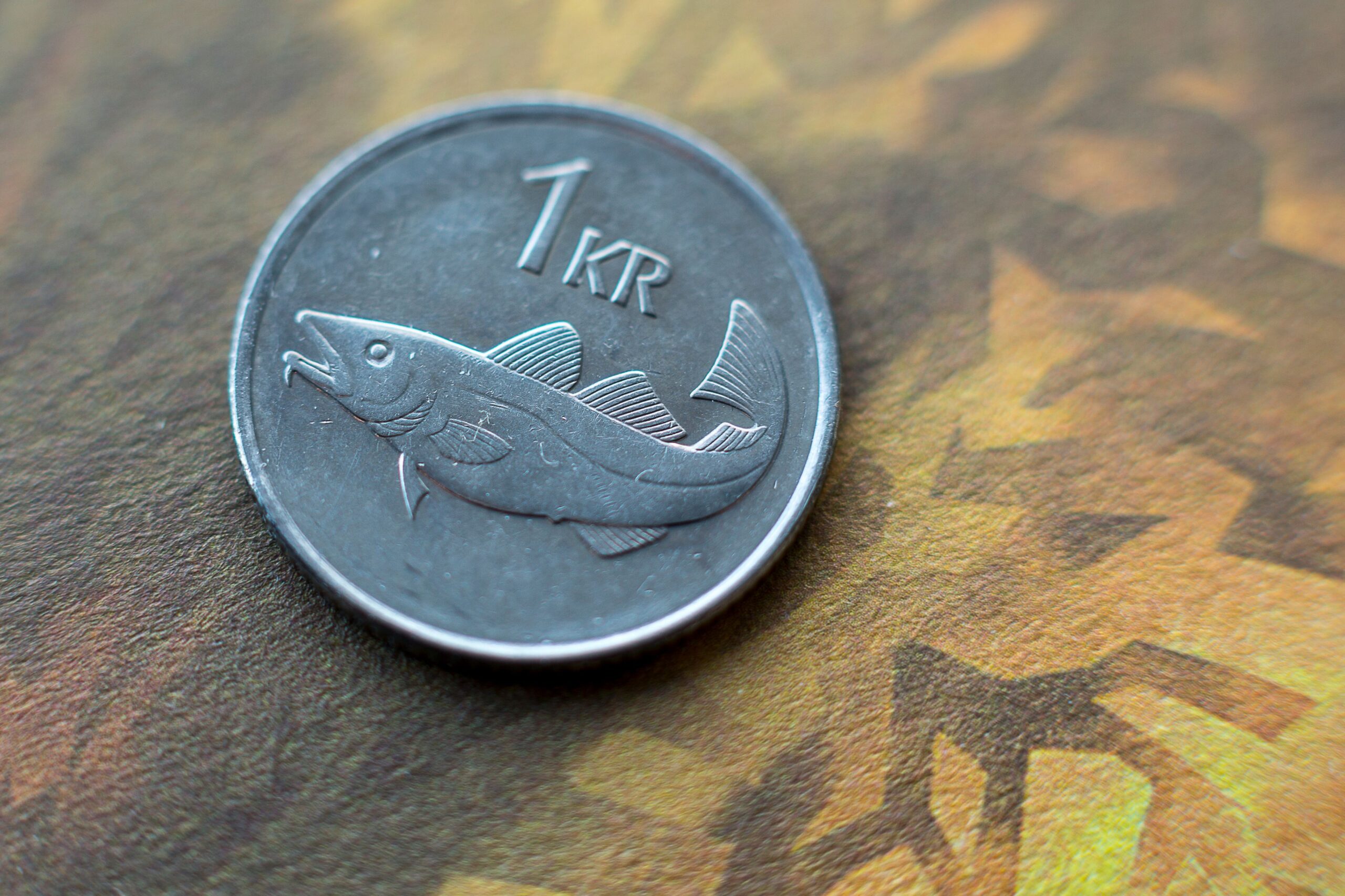
The Icelandic króna is at one of its strongest levels in history, making Iceland considerably more expensive than Norway and raising concerns about the competitiveness of the country’s export sectors, RÚV reports.
The currency has seen a sharp rise in value in recent months. Unless this trend reverses, economists warn it could have serious consequences for key industries.
At this time last year, one euro cost nearly 150 krónur. Today, it’s five percent cheaper, at 142. The U.S. dollar has dropped even more sharply, now costing 120 krónur compared to 138 a year ago. These figures reflect the nominal exchange rate, but when adjusted for inflation both domestically and abroad — the real exchange rate — the disparity is even starker.
Economist Konráð S. Guðjónsson says a high real exchange rate puts Iceland’s export-driven sectors at a disadvantage on global markets. “For example, we might see tourists spending less money or even a decline in visitor numbers. It could potentially affect how well the high-tech industry performs in this environment, and of course, there’s the fishing industry — this could impact its future prospects.”
Fisheries, aluminium production, and tourism — which together make up two-thirds of national exports — are particularly vulnerable to currency volatility. The impact is already being felt: Icelandair reported a 1.5 billion króna reduction in second-quarter profits due to the króna’s strength.
The real exchange rate is now on par with peaks seen before the 2008 financial crash and again in 2017. “We are considerably more expensive than Norway, which is a notable shift, as only a few years ago, Iceland was cheaper than Norway. The Norwegian krona has been weakening against major currencies, while our currency has strengthened,” Konráð notes.
This shift is particularly significant, as Norway is not only a neighbouring ally but also a competitor on the global stage.
While a strong króna can benefit consumers — lowering the price of imported goods and increasing purchasing power abroad — such conditions rarely last. “The longer we maintain an overvalued currency, the harder the potential hit. There’s nothing currently suggesting we’ll see a crash like in 2008,” says Konráð, “but the situation is unsustainable in the long run.”
Since April, the Central Bank has intervened by purchasing foreign currency in an effort to curb the króna’s rise. Konráð cautions against large-scale interventions, instead suggesting that pension funds increase foreign investments and, most importantly, that market participants recognise the króna’s historically high value. “Those in the market — whether involved in imports, exports, or making major investment decisions — need to realise that the króna has probably never been stronger, and as I’ve said, historically, when that’s been the case, it has usually corrected itself to some degree.”


