

Alþingi goes on break, finally
The most discussed parliamentary bill in the history of Iceland, a legislation on fisheries resource rents, was finalised on July 14 after a formal vote brought about by what has been called “the nuclear option”, that is by the parliament voting on whether or not discussions on the bill should be continued. This is only the third time that this clause in the law has been used, the previous occurrences being in 1949 and 1959. On July 8, RÚV reported that the contentious legislation had broken the record as the lengthiest discussion since the merging of the two Alþingi chambers in 1991. As of Alþingi’s final meeting before recess, the discussion lasted 162 hours and 13 minutes. In essence, the legislation increases fishing rent to more closely resemble the actual market value of fish. According to government calculations, the new bill is set to double the amount fishing fees bring into the state treasury.
Heat records fall all over Iceland
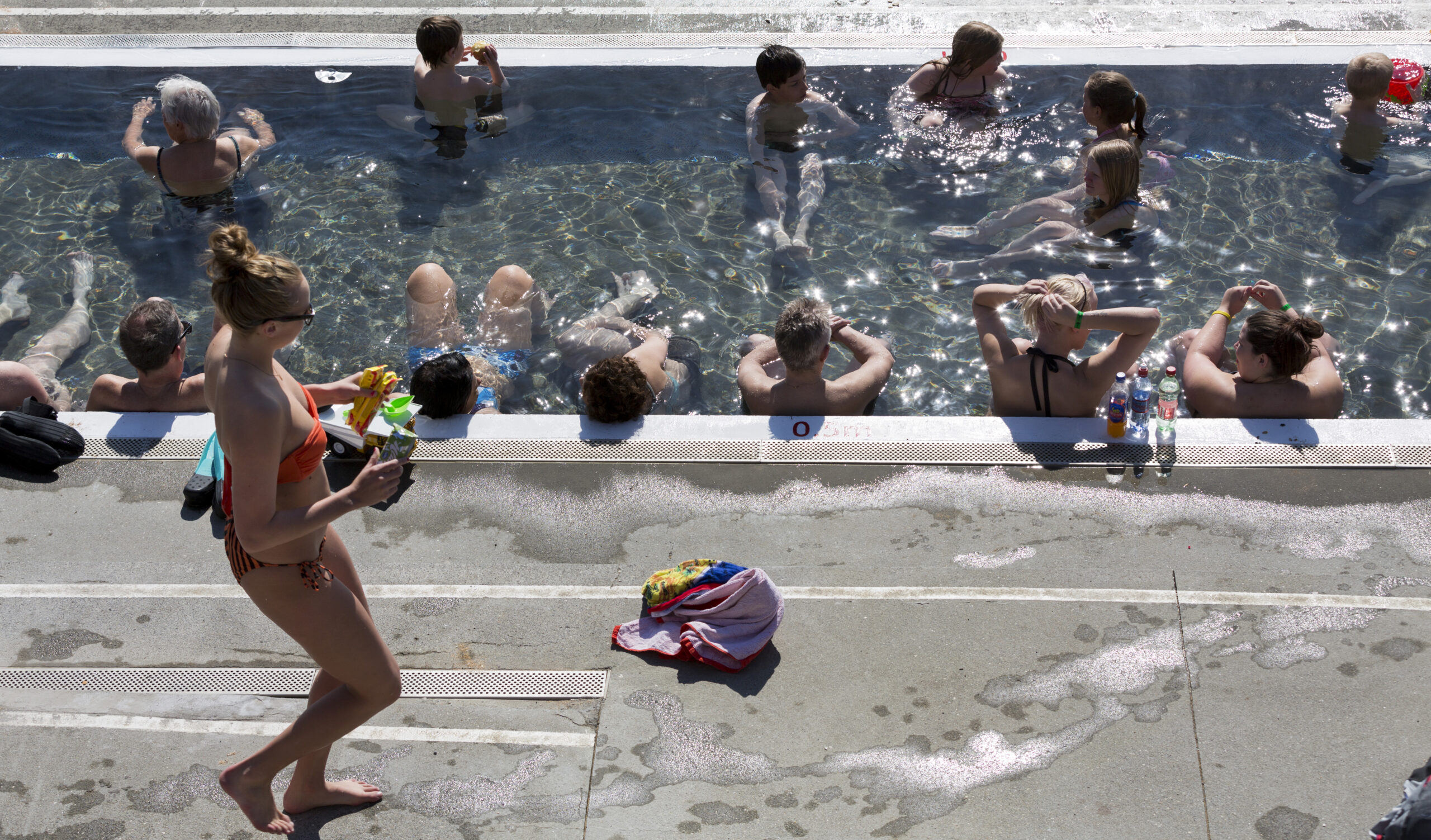
For the first time since August 2023, the temperature in Reykjavík passed the 20 degrees Celsius mark on July 14. The temperature reached up to 26-28 degrees Celsius in other parts of the country. Heat records were broken in at least six different places and often by previously unseen margins (more than 8 degrees). For example, the temperature at Gullfoss was recorded at 27.8 degrees, exactly 8 degrees higher than the previous record. The highest temperature recorded on that day was in Hjarðarland, not too far from Gullfoss and Geysir, where the temperature reached 29.5 degrees, which is still a whole degree away from the highest temperature ever recorded in Iceland, a whopping 30.5 degrees in Berufjörður, east Iceland, in 1939. So while the population mostly enjoyed this exceptional day, thoughts of climate change tended to seep in between sips of cold beer. Or actually, they didn’t.
Eruption Groundhog Day
The early morning of June 16 saw yet another eruption begin just east of the Blue Lagoon. The eruption is the 9th in the same system since December 2023 and the second this year. It was preempted by a swarm of earthquakes that started around midnight and soon afterwards about 200 people staying at the Blue Lagoon hotel were evacuated, along with around 40-50 households in Grindavík and a few tourists staying at the Grindavík camping ground. The eruption itself started around 4:00 that morning. The fissure that opened up stabilised at around the length of just over two kilometres, while at around noon, another fissure opened west of the original fissure, this time closer to Fagradalsfjall. The eruption is relatively small, just a third of the size of some of the eruptions last year. The fissure line let out a significant amount of poisonous gasses that drifted over the town of Njarðvík, prompting the authorities to recommend that residents close their windows. The eruption poses no threats to infrastructure with the lava flowing eastwards, but the area remains closed to visitors.
Tourist accident statistics
Most accidents in Icelandic nature happen on Esja, Langjökull, or Fimmvörðuháls, according to new data from the Icelandic Tourist Board. The Icelandic Tourist Board’s data on incidents and accidents involving travellers and outdoor enthusiasts in Icelandic nature covers 839 incidents since the year 2000. The data is based on published reports of incidents where emergency or rescue teams were called out. Traffic and aviation accidents are not included. The statistics may be affected by the fact that there were fewer online media outlets in the early 2000s, and it is unlikely that all accidents were found in the Tourist Board’s online searches. The Tourist Board is working on establishing a centralised registration system for the tourism industry.
According to the data, most accidents happen during the summer months. Accidents increased significantly after 2010, and following the Eyjafjallajökull eruption that year, the number of foreign tourists in Iceland grew substantially. Interestingly, the number of accidents in 2020 — when there were strict travel restrictions to Iceland — was similar to the years before. This may be due to more Icelanders travelling domestically during that time. Most accidents occurred in South Iceland, totalling 247. The region also had the highest number of fatal accidents, 38 in total. The most common cause of accidents is falls, most often on hiking trails or viewing platforms. There are also quite a few incidents where people step into hot springs. The second highest number of accidents occurred in the Highlands, with 243 accidents and 26 fatalities. Mountain hiking accidents and glacier accidents are most common there.


