

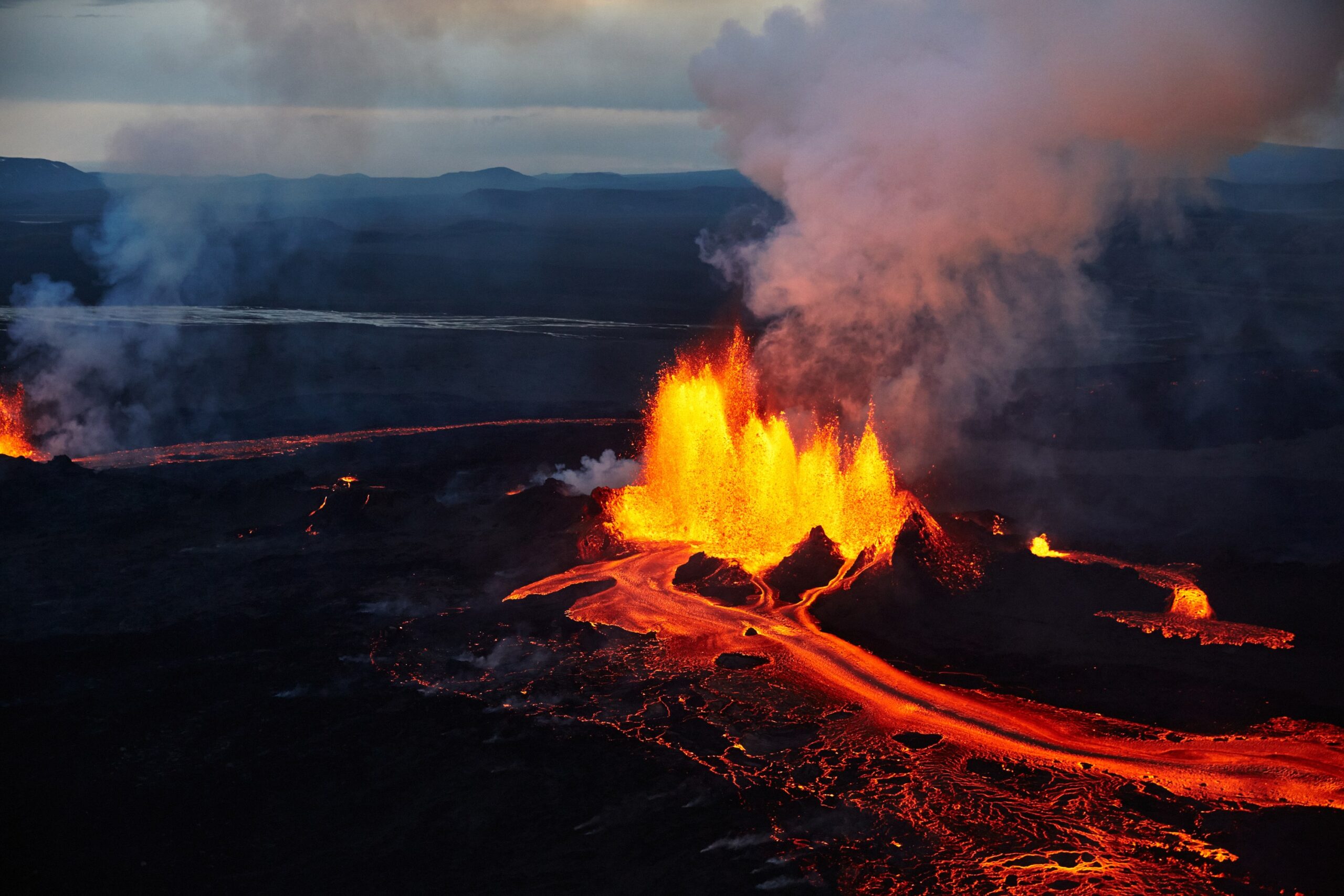
There is no sign of land uplift and magma accumulation under Svartsengi slowing down, reports Vísir.
According to the report puplished by the Icelandic Met Office severe weather in the coming days may affect measurement sensitivity. Seismic activity in the area remains low, and the hazard assessment remains unchanged.
Since the last eruption ended on December 9, seismic activity near the Sundhnúkur crater row has been minimal, with only a few earthquakes recorded each day. Poor weather over the past week has also impacted the sensitivity of seismic monitoring, meaning the smallest tremors may not have been detected.
The current hazard assessment remains in effect until February 11, unless conditions change.
Weather conditions may affect measurements
The forecast for the coming days predicts a series of low-pressure systems bringing strong southwesterly and southerly storms with precipitation. These weather conditions could impact monitoring efforts, particularly by reducing visibility and affecting the sensitivity of earthquake and real-time GPS measurements. The Met Office will continue to closely monitor developments, and the public is advised to follow weather warnings and exercise caution when travelling.
Deformation measurements indicate that land uplift and magma accumulation under Svartsengi are ongoing. As reported last week, the volume of magma beneath Svartsengi has now reached the lower threshold estimated to trigger the next magma intrusion. Based on past eruptions at the Sundhnúkur crater row, eruptions have occurred anywhere from three days to four weeks after reaching this threshold. However, this does not guarantee that an eruption will occur within a month — only that it is the most likely scenario based on past events.


