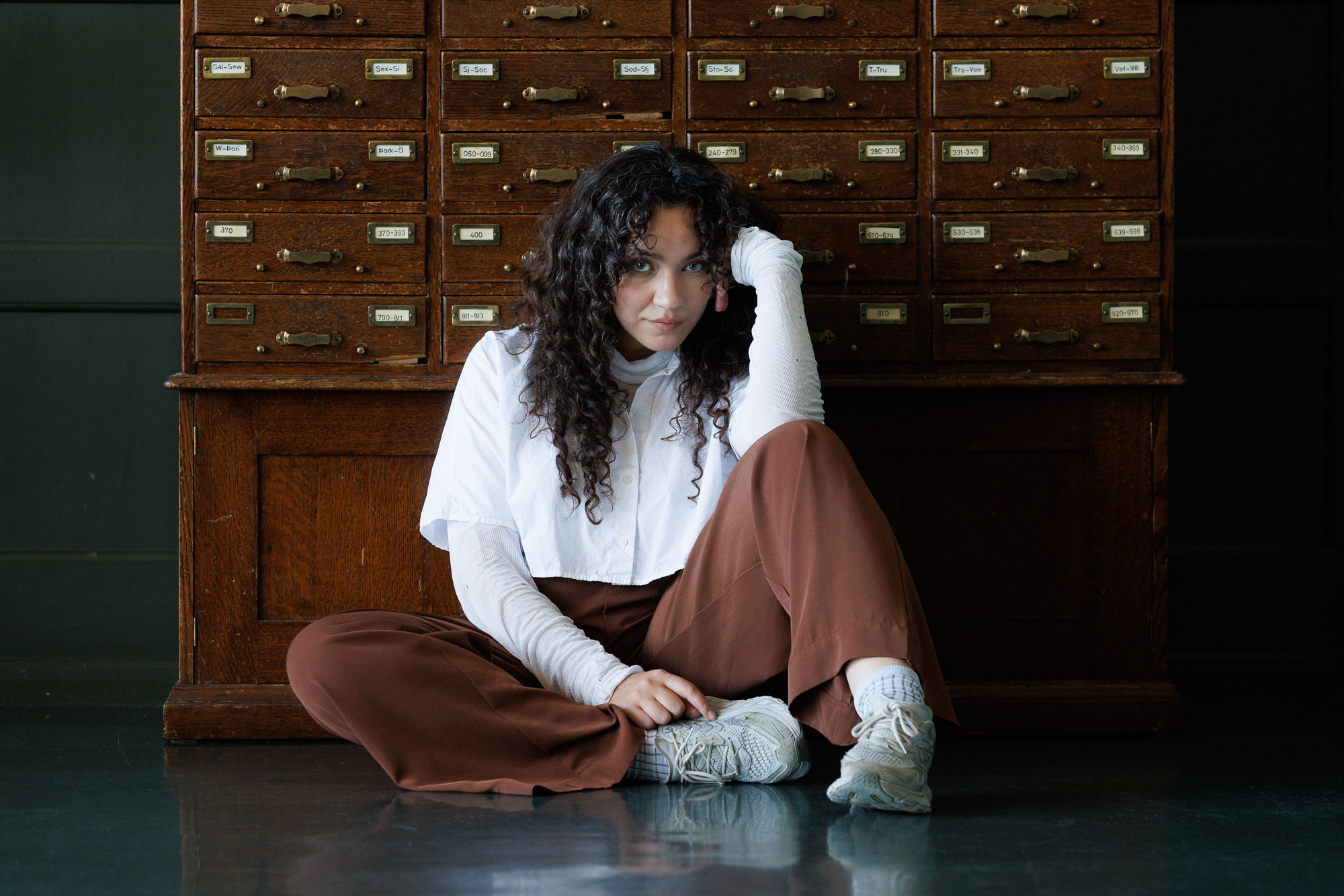
RAKEL finds her place with a place to be
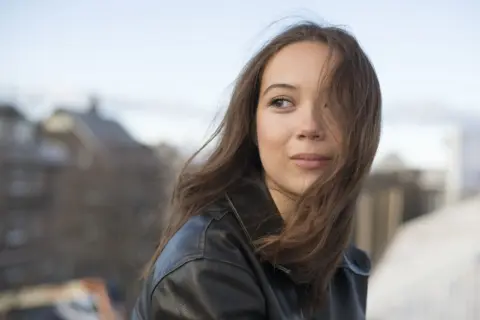
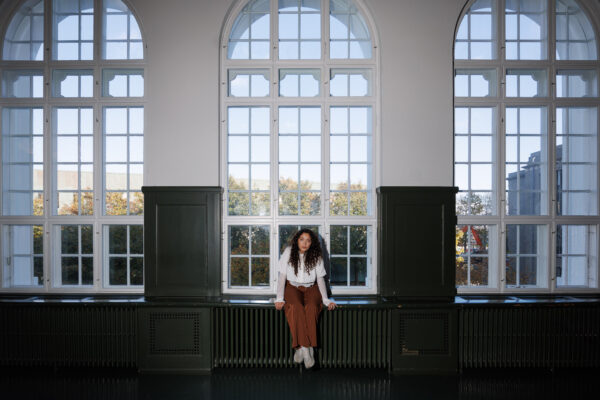
One of the busiest people in the Icelandic music scene, solo artist RAKEL anticipates the release of her debut LP a place to be on October 17.
No stranger to the music industry, RAKEL has been an active solo artist since 2020, debuting with her single “Keeping Me Awake” in the same year. Throughout the years, her name has become a common one featured on the various artists’ album liner notes, mainly as a background singer, working with artists such as Lón, CeaseTone, Of Monster and Men’s Nanna, and Hipsumhaps.
Now, RAKEL takes the time to focus on her own material — her hobby, as she puts it.
“I’ve felt my music career evolve in an organic way,” RAKEL says in a quiet hotel lobby. “To me, being a session player and a solo artist are two completely separate things. Being a sessionist, I’m jumping into other people’s works and utilising my own skills to help out, and that satisfies a specific need,” she notes of her dichotomous career.
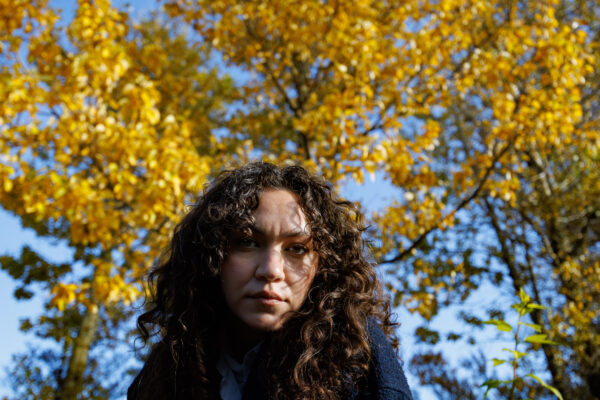
“I enjoy being around other people, and I like working with fun people. I’m never working with boring people,” she smiles. “ But being a solo artist is more of this introverted interpretation of my personal self. And I love it. I love writing, I have fun with it. When I’m singing backup vocals, I’m just doing that.”
“I felt a lot of comfort being in the music scene in Reykjavík. People were rooting for me.”
Studying the violin from an early age in her hometown Akureyri, RAKEL moved to Reykjavík to further her music aspirations, eventually graduating from FÍH’s jazz singing studies.
“When I moved to Reykjavík, I felt very welcome. And I felt a lot of comfort being in the music scene in Reykjavík. People were rooting for me. That’s a nice feeling and definitely encouraged me to continue,” she explains.
Summers as a line cook
Working on her forthcoming album, RAKEL sought out the farm Staður in North Iceland, seeking solace and a hint of nostalgia. As the homestead of her grandfather and subsequently her mother, RAKEL spent most of her childhood summers in the area. However, her summers didn’t consist of the classic tale of hard manual labour out in the field — RAKEL had the important job of servicing hungry travellers in Staðarskáli, the defunct highway shop on the road from north to south.
“I went there every summer to work, and all of my cousins came together from every corner of the country,” RAKEL reminisces. “I started working a full-time summer job at 14, when all the other kids back in Akureyri worked at the municipal job. I was, like, making big moneys,” she jokes. “It was always crazy busy, and I always smelled like a deep fryer. The traffic was intense,” she recalls.
Spending so much time there during a seminal point in her life, RAKEL became deeply invested in the place and the culture of the surrounding area. Later on, she would join her friend Alexandra Mjöll to set up their conceptual art-house ad hoc restaurant Evil Foods Inc. on the same premises.
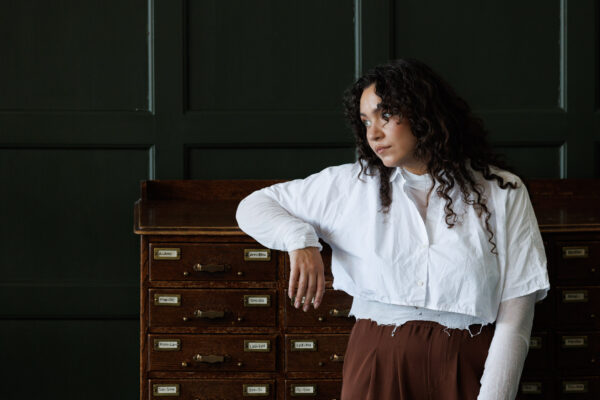
Ultimately, the old Staðarskáli was sold, the main highway moved further west, and the national gas conglomerate N1 established a new Staðarskóli alongside it.
“Things start to fall apart after that,” RAKEL says. “The family isn’t associated with Staðarskáli anymore and I just stopped going there. When I started writing this album, I felt like I needed a place to visit and clear my mind. I started thinking about Staður and my connection to it, so I thought it would be nice to create this new relationship with the place,” she continues.
“I dragged my sister there too who was writing her master’s thesis at the time. And I don’t know how to drive,” she adds with a laugh. “It was a plus because she does and owns a car.”
The two of them frequently found themselves situated on the farm, a week at a time, focusing on their separate passion projects.
Slowpoke in the studio
Constructed over the course of three years, a place to be feels internally coherent, mixing the base elements of RAKEL’s singer-songwriter influences with more synthesised sounds.
“I have this guitar imposter syndrome.”
“It’s taken me three years. I’m a total sloth,” RAKEL admits. “I’m slow, and I’m not in a hurry,” she stresses. “There’s a lot of other things going on. Working as a musician, my personal work often gets put aside,” she notes.
Time has never been an issue for RAKEL, but, historically, she has needed external encouragement to finalise her work. During the writing of her 2021 EP Nothing Ever Changes, RAKEL’s arm was helpfully twisted by her friend and collaborator Hafsteinn Þráinsson — CeaseTone — to make her release it.
But since her first release, RAKEL is more confident in her artistry. Instead of the fear she once associated with releasing music, RAKEL swapped it with excitement. “[Nothing Ever Changes] opened everything up for me, and I gained my confidence in writing songs. I found joy and liberation in it. So now I’m just excited, and not stressed at all,” she asserts.
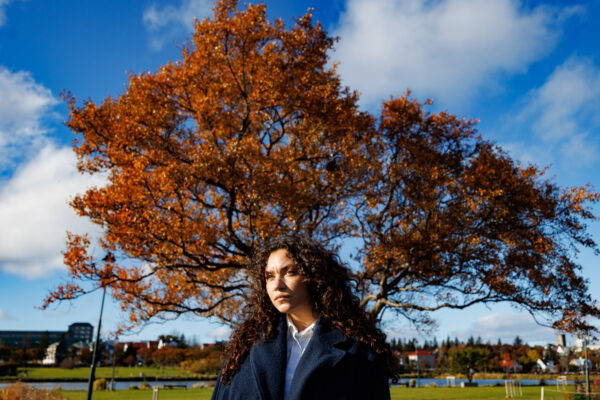
Produced by RAKEL’s friend and frequent collaborator Sara Flindt, the pair spent a long time playing the songs together. RAKEL on her guitar, Sara on a synthesiser.
“The arrangements were composed that way. It was a process that went all over the place,” RAKEL outlines. Employing the help of her vast network of musician friends, a place to be features performances by artists such as Ómar Guðjónsson, Nanna, Skúli Sverrisson and Bergur Þórisson, to name a few, and it was recorded during various studio visits to the featured performers.
“I think the first one was Ómar Guðjónsson [ADHD guitarist]. I have this guitar imposter syndrome,” RAKEL shares, needlessly putting herself down as she talks about the album’s guest performances. “I feel like I never know what I’m doing. I’m just doing something,” she continues, despite boasting more than two decades of music experience.
It takes a village to make an album
Predominantly written with RAKEL, “just picking the guitar,” a place to be presents itself under the auspices of a traditional singer-songwriter album. That image quickly gives way to showcase the stellar interplay between RAKEL’s acoustic guitars and Sara’s arrangements.
On the opening track “Always”, RAKEL opens the album with field recordings from Staður, blowing open her chant-like solo voice which creates an air of mystique that follows through the entire album. “Rescue Remedy” sees RAKEL lean into auto-tuned vocals, furthering the mesh between the natural and the digital.
Another standout track is the collaborative “pickled peaches”, featuring Nanna and artist Salóme Katrín wispily harmonising each other over lyrics celebrating their shared love of food.
While the majority of the album sounds like a progressive experimentation between these wildly contrasting soundscapes, the album includes more traditional approaches to the singer-songwriter genre (“11:11”), nodding to RAKEL’s main speciality.
Modestly, RAKEL attributes the album’s accomplishments to the network of supporting artists.
“I’m not paving any roads,” RAKEL smiles. “But I’m joined by people like Sara who come from a different direction than me in terms of sound. She has this incredibly fun brain. She thinks in sounds that I would never think of,” she compliments her producer.
“It can get lonely doing it on your own. That can become an echo chamber. But when you bring someone else in, it can be an adventure to agreeing to a weird idea and following it through. I think the combination of the [different performers] make the album what it is,” she notes.
a place to be is out via OPIA Community on October 17, celebrated with a release party at 18:00 at Smekkleysa. Go follow RAKEL on Instagram, @rakelisrakel and check out her writing on her Substack page rakelisrakel.substack.com.