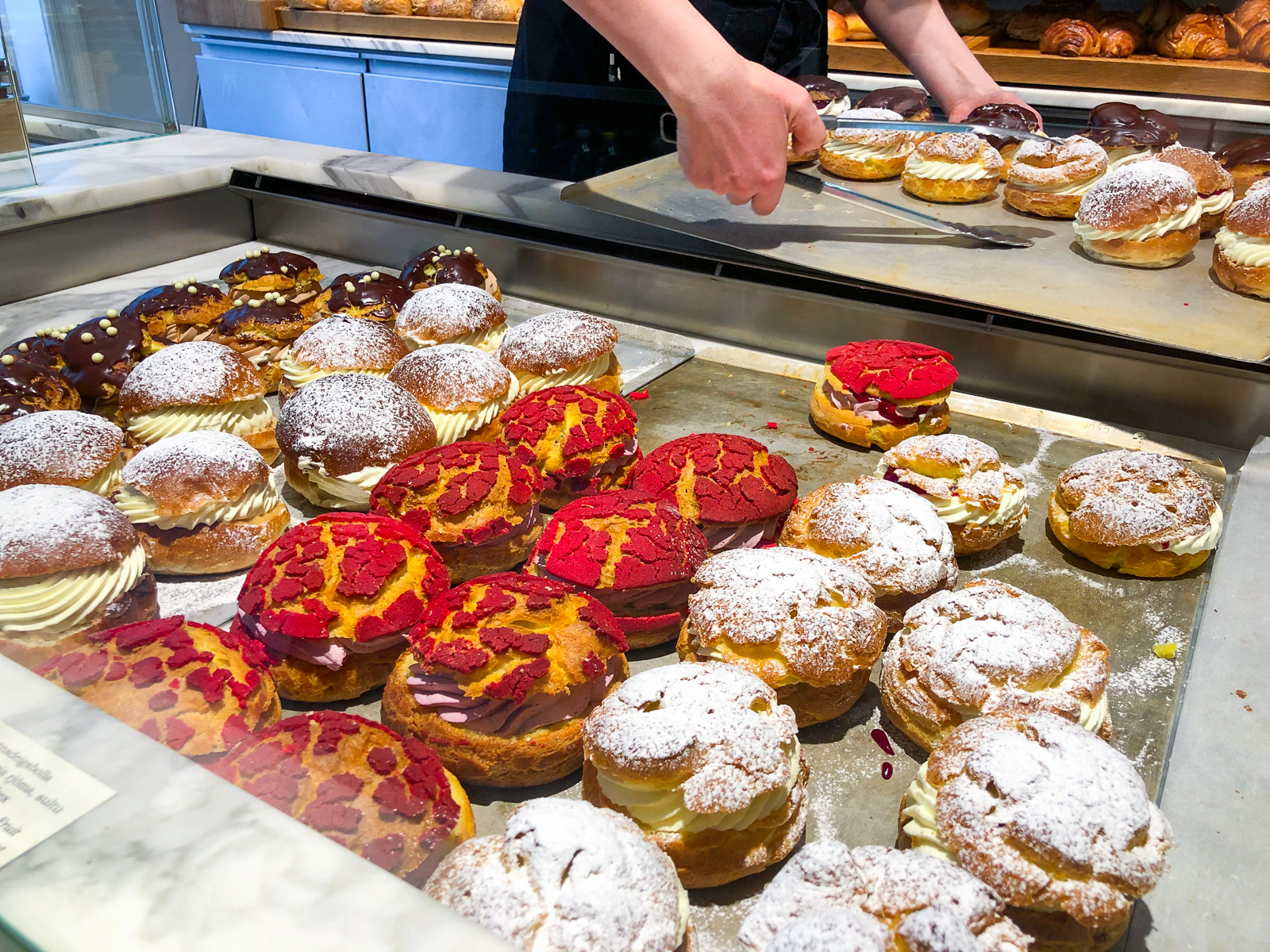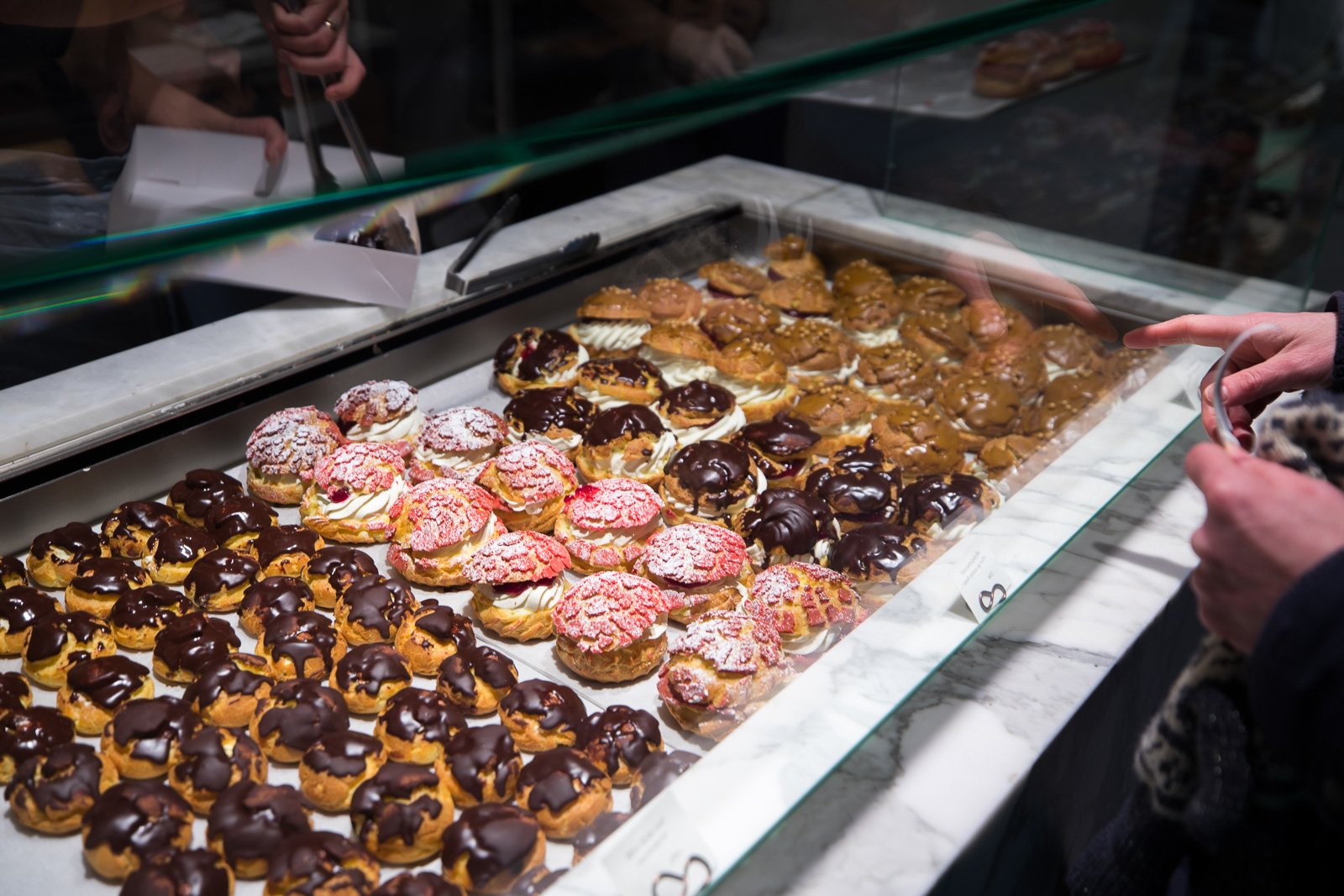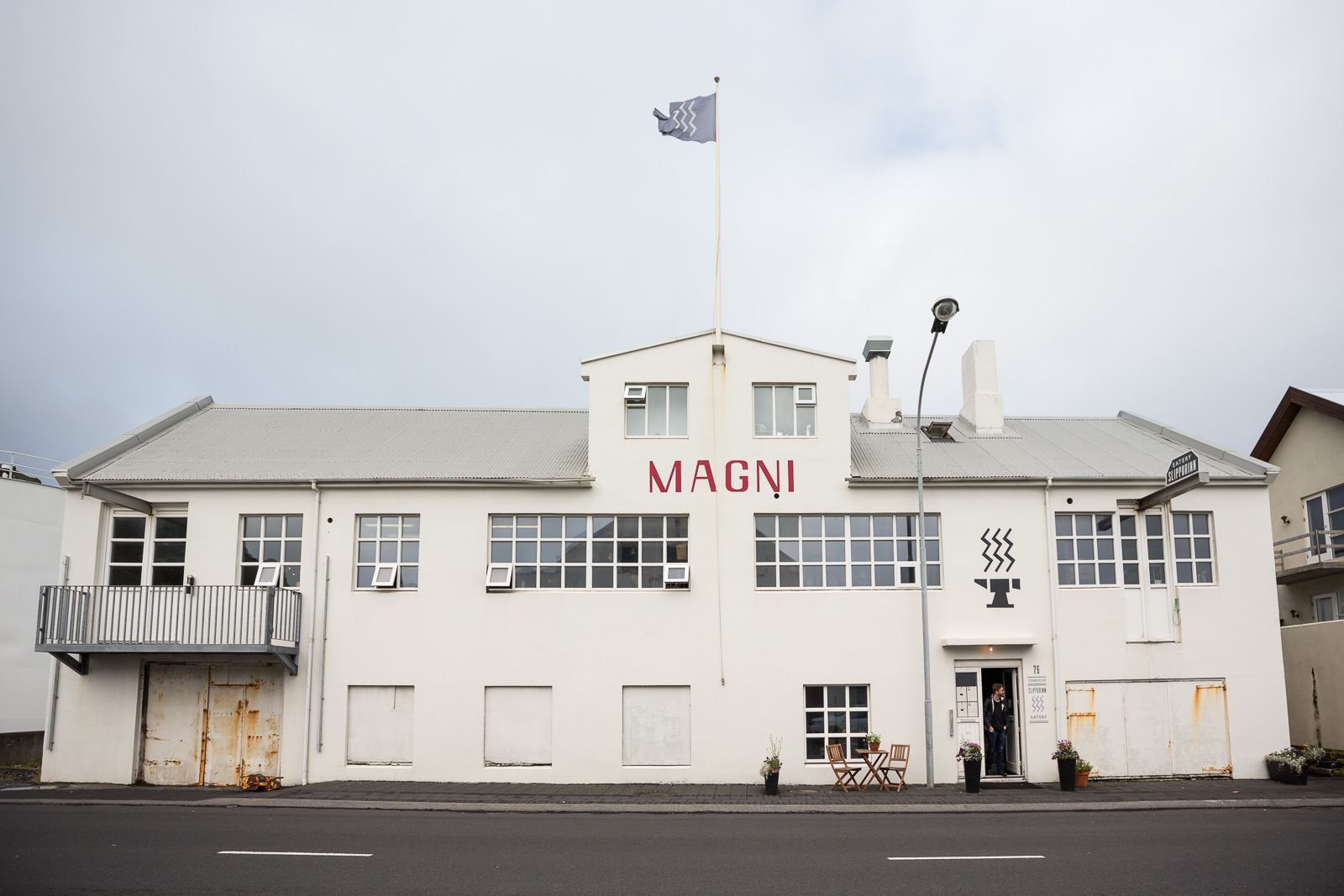
“We’re not trying to be the best restaurant in the world. We’re trying to be the best restaurant we can be on a tiny island off the south coast of Iceland,” read the opening lines of Slippurinn: Recipes and Stories from Iceland, the Phaidon-published Chef and Restaurant series of books. This modesty makes light of the enormous impact the restaurant has exercised but is also deeply reflective of chef Gísli Matthías Auðunsson’s personality. The ever-smiling chef and owner of family-owned restaurant Slippurinn, in his hometown of Heimaey, is celebrating 13 years of the summer-season-only dining destination with a season finale of spectacular dining.
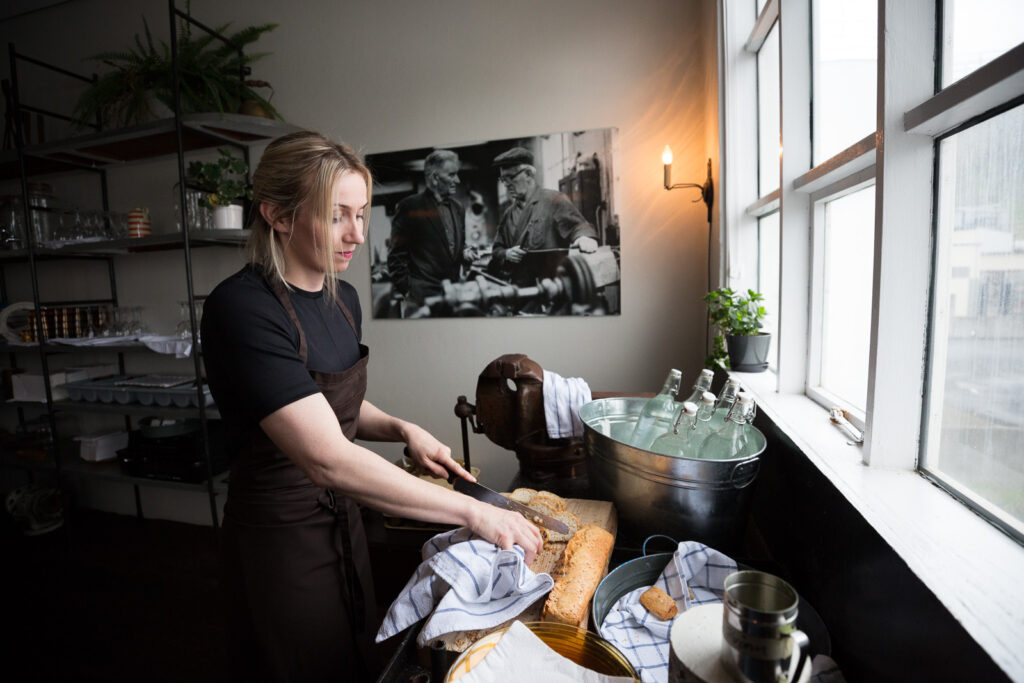
Rooted in the shared love of food and Heimaey, Slippurinn is not just Gísli’s project as a chef, but a family endeavour that was his mother Katrín Gísladóttir’s idea come to life, where sister Indiana Auðunsdóttir handcrafted much of the furniture and fixtures, and father Arnar Stefnisson still occasionally hauls in fish, or built Næs across the street. Since the announcement that this would be the last summer the restaurant would be open, social and local media have seen an outpouring of affection by past crew, friends and family. Diners continue to share their favourite memories of the place, even as Gísli himself shares throwbacks regularly.
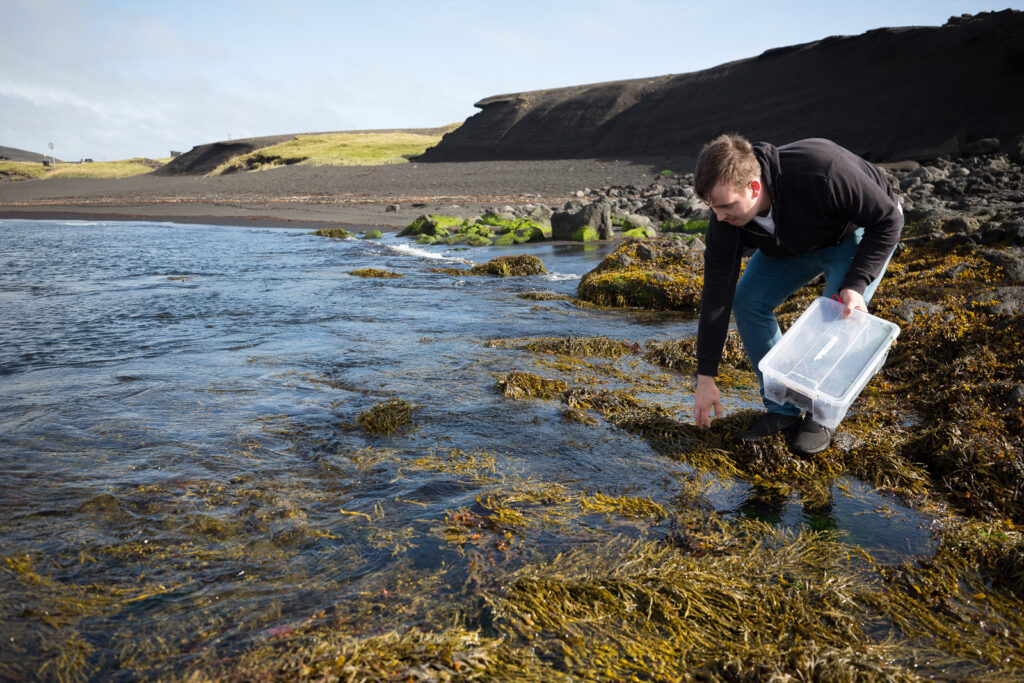
Slippurinn, the restaurant
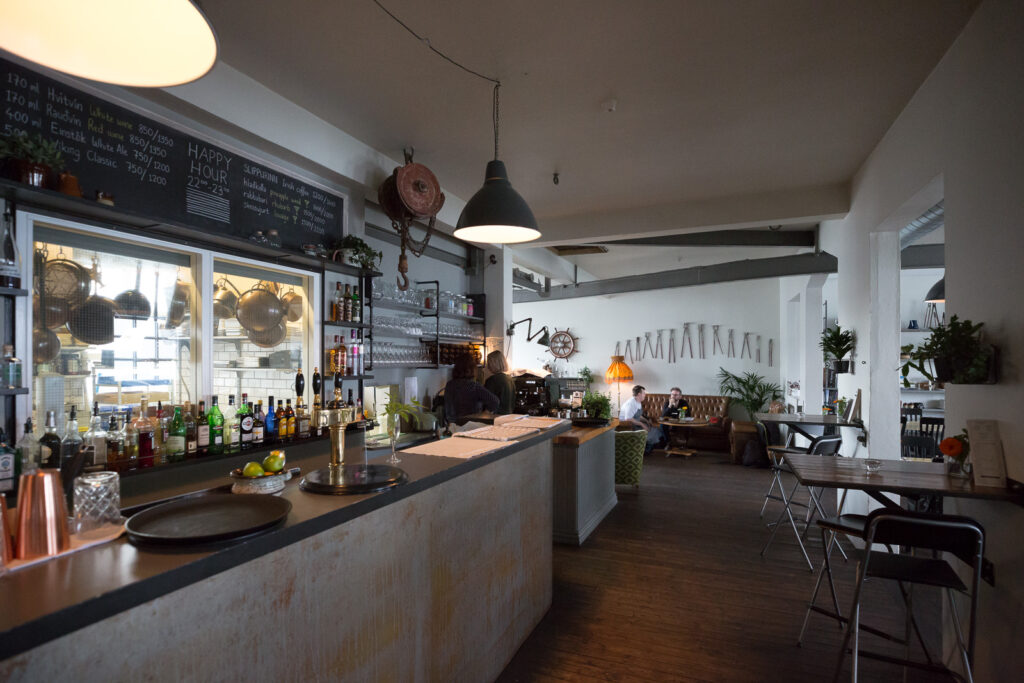
Given that Iceland is only just coming into its own as a dining destination, it shouldn’t come as a surprise that this little country punches above its weight by having its own destination dining off the mainland, and has done so since 2012. For 13 years now, diners have religiously made their way to Heimaey in the archipelago of Vestmanneyjar, which calls for a short, hold-on-to-your-life-steep-landing flight, or the more scenic two-hour drive topped off with a 40-something-minute boat ride.
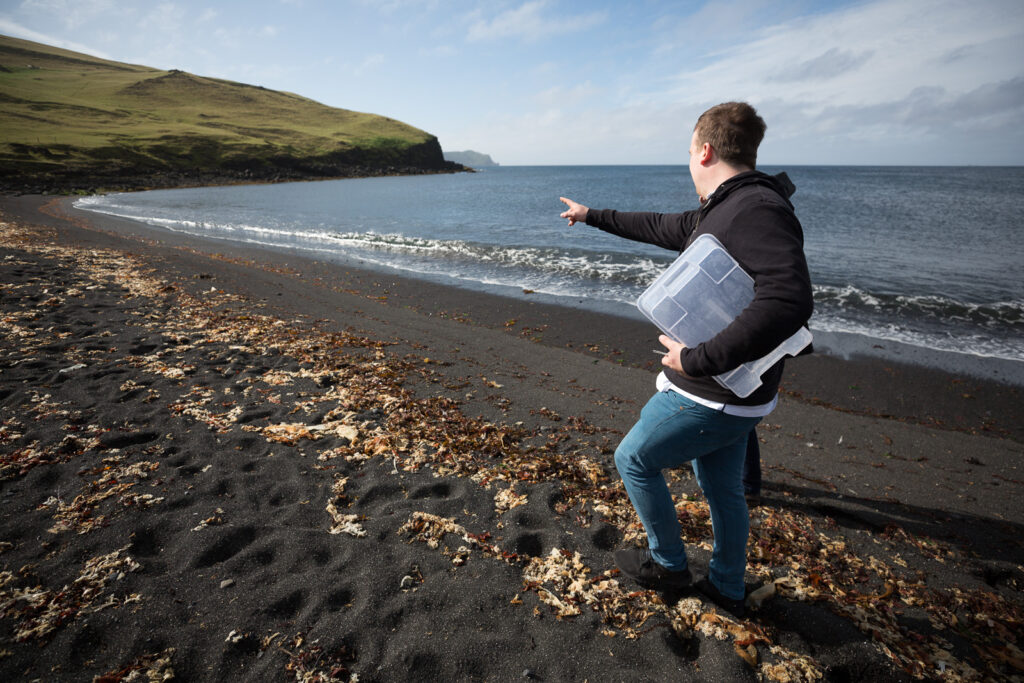
Known for their fishing prowess, volcanic eruptions and the steely resolve of its people in making the hostile landscape home, Slippurinn put Heimaey firmly on the global gourmand map drawing attention for its razor-sharp focus on provenance of produce, challenging the spectre of fine dining norms by leaning into foraging not as an expensive garnish, but as a window into shy-of-the-Arctic island living.
When I dine there at the start of their penultimate season, one detects no note of finality or nervous excitement in the air. Instead, everything hums along in that steady, confident note, like a well-oiled machine, with extended family stepping in as front of house, as they have always done. “Slippurinn put Heimaey firmly on the global gourmand map drawing attention for its razor-sharp focus on provenance of produce.”
Gísli’s own search for his culinary voice might have sprung from brushes with New Nordic cuisine and the Slow Food movement, but it is on his volcanic home island that it reached a crescendo. He is nostalgic: “When I was younger, I knew less and I didn’t overthink. I trusted my gut, went all in, and didn’t spend much time worrying about the consequences. That raw energy shaped Slippurinn in the early days,” he says. “Back then, I could work endlessly — I was 23 years old, with no kids, and in the restaurant every day for 18+ hours. For the first five or six years, no dish left the kitchen without me seeing it first,” he reminisces. Today that’s no longer possible with the multiple projects he runs, a family with four kids and a home life, simply put, “I can’t physically be in one place every moment,” he says matter-of-factly.
“I’m more careful but at the same time more confident, and that comes with experience,” Gísli reflects on how he has changed as a chef. “The growth for me has been in learning how to balance creativity with responsibility. To trust people and delegate things. To hire staff that is better than me in certain aspects and hopefully help develop their career in the meantime. That is nothing more fulfilling than seeing somebody that worked for you do their own thing and there are many examples of that, of staff that have gone through Slippurinn,” he shares proudly.
Islands, roots and shoots
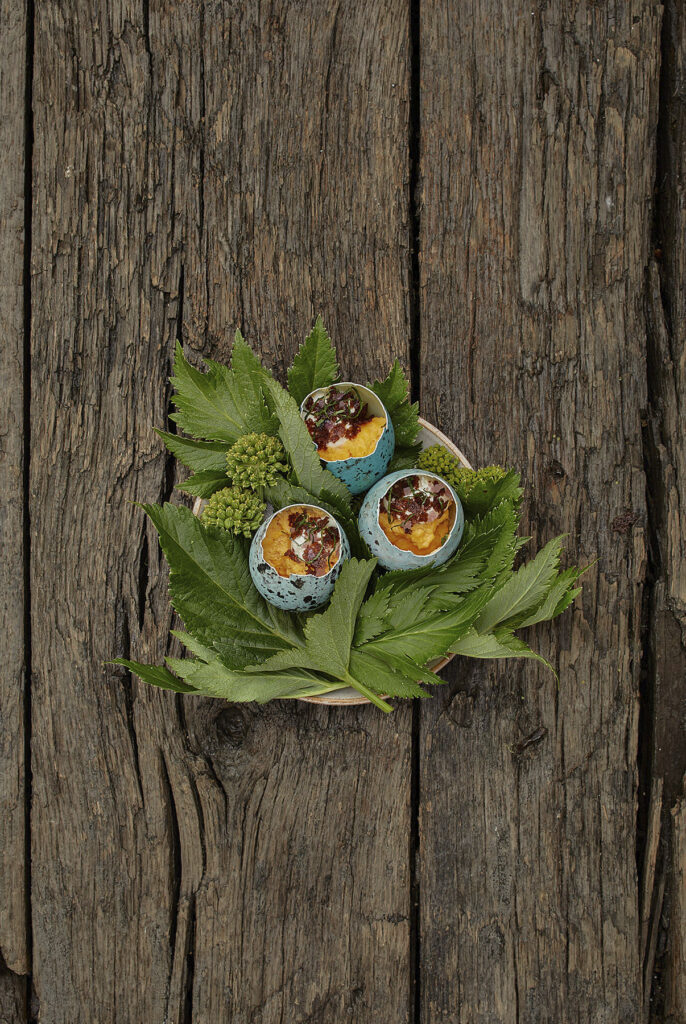
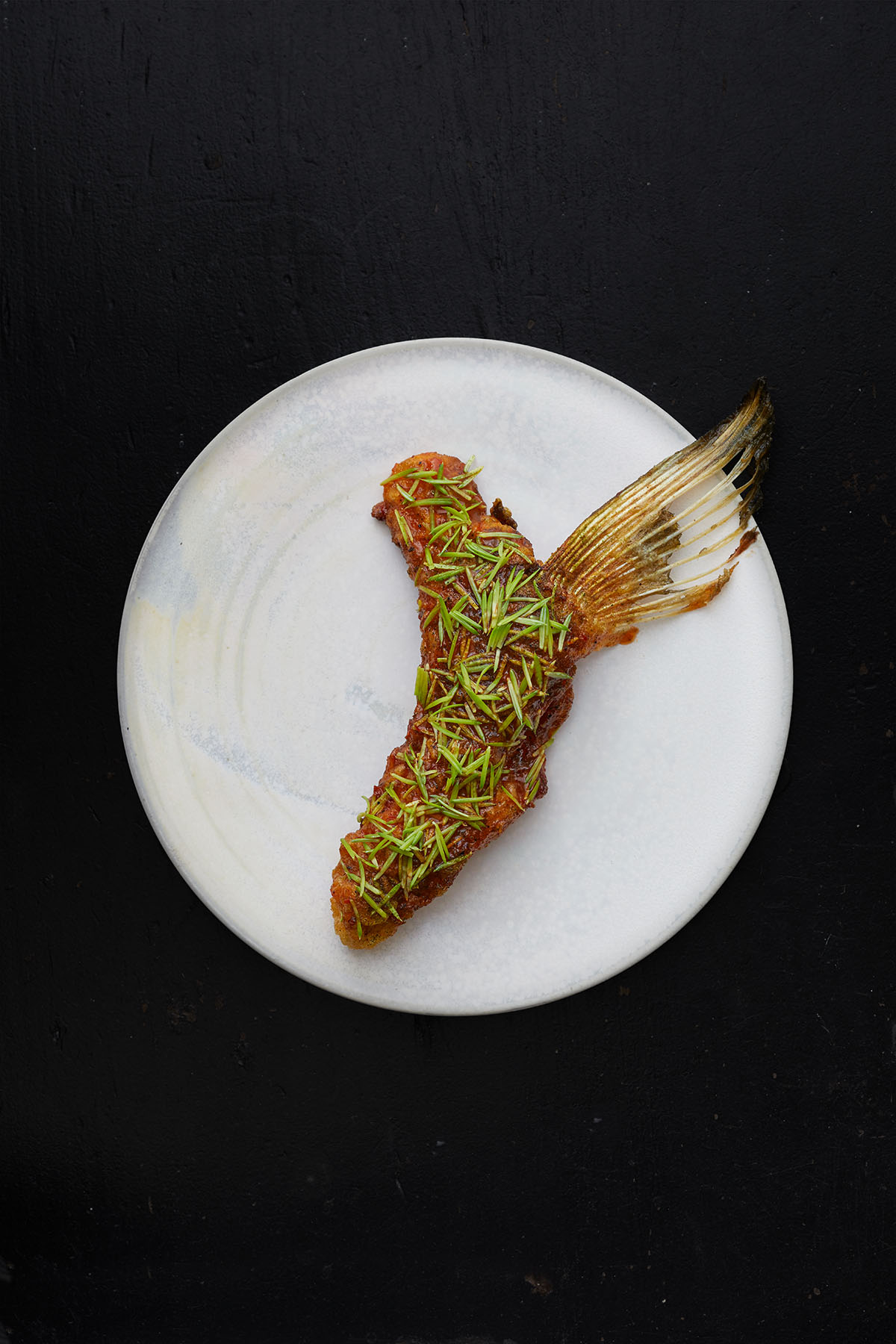
My earliest memory of dining at Slippurinn is centred not around the cod’s head they are known for, or the wild egg recently, but the humble ‘seaweed salad.’ Here was a restaurant that piled high the day’s foraged greens from both land and sea, not as a measly garnish that promised a whiff of oceans far away, but a bounty. This act of honouring local ingredients simply, and respectfully, and for an audience that wasn’t paying big bucks to experience their own backyard was a refreshing shift from the diktats of modern dining. A redefinition of Icelandic cuisine, perhaps?
In 2021 when I wrote about his cookbook, Gísli insisted that the restaurant was not about Icelandic cuisine, but one that was “exploring the realms of possibilities with Icelandic ingredients as the focus.” He reiterates the same now, further defining his culinary approach, “start with what nature gives us, listen to producers, then build flavours around that. Icelandic cuisine to me is about survival, adaptation, and honesty. It’s anchored in heritage, but it must evolve. That’s the only way it stays alive and becomes exciting.”
Aside from his own family, the guiding force at the restaurant has been you, dear diner. “Guest feedback has influenced me the most,” Gísli confesses. “When guests truly see the work we’ve put in, and recognise that we are doing something out of the ordinary, that’s what inspires me the most,” he says. “Another big influence has been our ever-evolving team. Over the years, I’ve learned not to micromanage, he chuckles, but to really work with people and collaborate on many tasks. That shift has shaped me as much as anything else.”
An ode to home
With a year-round population rumoured to be much less than the official figure of 4,000 people, it made sense that Slippurinn would be a seasonal restaurant, open for just four months of the year, leaving Gísli plenty of time to travel and stage around the world, and continue to do pop-ups. Which also meant that for 13 years now, Slippurinn was a brand-new restaurant each year. “Every year felt like opening day all over again: training a mostly new team, building culture from scratch, re-establishing supplier routines. That’s exhausting. The challenge guests don’t see is the months of planning just to make four months. If I had to do it over, I’d invest earlier in continuity — keeping a core team across years, not just seasons. But then again, I’ve learned so much that I’m happy we did it as we did.”
Despite Slippurinn’s continued success, global accolades have been slow. Besides a strong standing at the Nordic White Guide, both World’s 50 Best and the Michelin Guide continue to be Reykjavík-centric, with many of their choices and repeated omissions drawing sharp criticism that perhaps taste makers and inspectors are not as equipped as the guides would have you believe. Gísli however, is not fazed, “Of course it’s nice when the world notices,” he says. “But honestly, I never built this for the guides. I built this for Vestmanneyjar, for my family, and for me to express my vision in food.”
He may have built this for home, but the world did notice. Not too long ago, celebrated British food writer Diana Henry wrote a moving piece about her meal here. Former First Lady Eliza Reid’s latest book, Death of a Diplomat, sees the restaurant play a pivotal role. A continued conversation about the ethos of culture, commodity and consumption carries on in the form of Matey Seafood Festival, which Gísli co-founded, “and will come back in a renewed fashion,” he says, with Frosti Gíslason. “Slippurinn can feel like a pilgrimage, in that the glorious moments are right there to be seized, cloaked as they’re in the familiar, and you come out changed and wiser for it.”
So what is next for Gísli the chef and restaurateur? “YLJA at Laugarás Lagoon is the next big step. It’s a chance to take everything I’ve learned and build a year-round place that is deeply tied to farmers and the geothermal energy of the area. It’s less about ‘fine dining’ and more about warmth, sustainability, and community. I’m also excited to explore new ways of working with no waste and to keep pushing what Icelandic produce can be.”
Iceland and Identity
Even as the sun sets on Slippurinn, Gísli’s parting words offer a way forward — I believe we’ve planted some seeds around, and change has started to happen. I think Icelandic food is finally being seen as something with depth and identity, not just clichés like preserved hákarl and lamb soup. “It is important,” he says, “to look within our past as a nation but at the same time ahead, where our culinary direction is heading. It is an essential part of a nation’s identity and cultural ties with its food history.”
As the curtains draw on Slippurinn, I find myself revisiting my review from a couple of years ago, and the words still ring true — Slippurinn celebrates Iceland and shines light on its ingredients both abundant and obscure with dishes that are at once old, new and original. Gísli eschews of-the-moment popularity in favour of unbridled joy of discovery, be it his experiments with ageing fish or that butter and fish is more than that as he shows us with his birch speared scallops served in a satisfying puddle of fermented garlic butter. Dining at Slippurinn can feel like a pilgrimage, in that the glorious moments are right there to be seized, cloaked as they’re in the familiar, and you come out changed and wiser for it.
Slippurinn, thank you for the cod wings, and the memories.
Slippurinn’s final evening of service is Saturday, September 13.