The best vegetarian and vegan restaurants are run by cults. I learned this growing up in Los Angeles where spiritual movements compete through their kitchens. Govinda locations run by the Hare Krishna feeding backpackers with affordable curries. Reliable Loving Hut locations led by Supreme Master Ching Hai. Yellow Deli cafés run by members who sacrificed all income and property to the community. It’s spiritual outreach with spring rolls.
True believers operate on different logic. They have long time horizons, ritual discipline, and recipes loaded with meaning. Sometimes you endure recruitment pamphlets or strange videos while you eat. But the food is affordable, good, and consistent.
This framework turns out to be surprisingly useful for understanding who survived Iceland’s vegan gold rush. Because that’s exactly what happened here: a boom, a bust, and now we get to see who was actually committed versus who was just panning for clout.
Boom, then bust
The timeline is absurdly compressed. In the early 00s, veganism was completely unknown. Icelandic didn’t even have a word for it. My father-in-law proudly told me about “grænkeri” when they finally coined the word.
Then came the gold rush. Like trampolines, pizza ovens, and financial manipulation before it, veganism got swept up in Iceland’s trend cycle. Vegan búðin opened as the world’s largest vegan market. Junkyard, Jömm, SÓNÓ Matseljur appeared. Every supermarket scrambled to stock shelves. You could get vegan premade sandwiches at gas stations. Reykjavík topped international lists of most vegan-friendly cities.
Then the trend passed. Vegan búðin closed. Supermarkets drastically scaled down their selections. The gas station sandwiches mostly vanished.
But options remain. Nearly all restaurants now have at least one option and sometimes it’s very good. Plantan offers reliable vegan café culture. Domino’s still offers vegan cheese. Pizzan kept the faux meat toppings. Some Víki Vaki locations have vegan dogs. Asian restaurants and Middle Eastern spots never stopped being reliable.
Vegan World Peace
Part of the global Loving Hut empire with multiple Reykjavík locations, Vegan World Peace operates with the true believer energy that makes these places work.
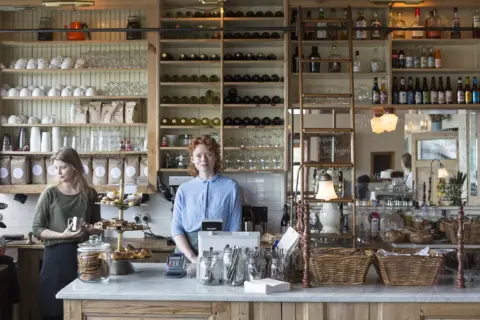
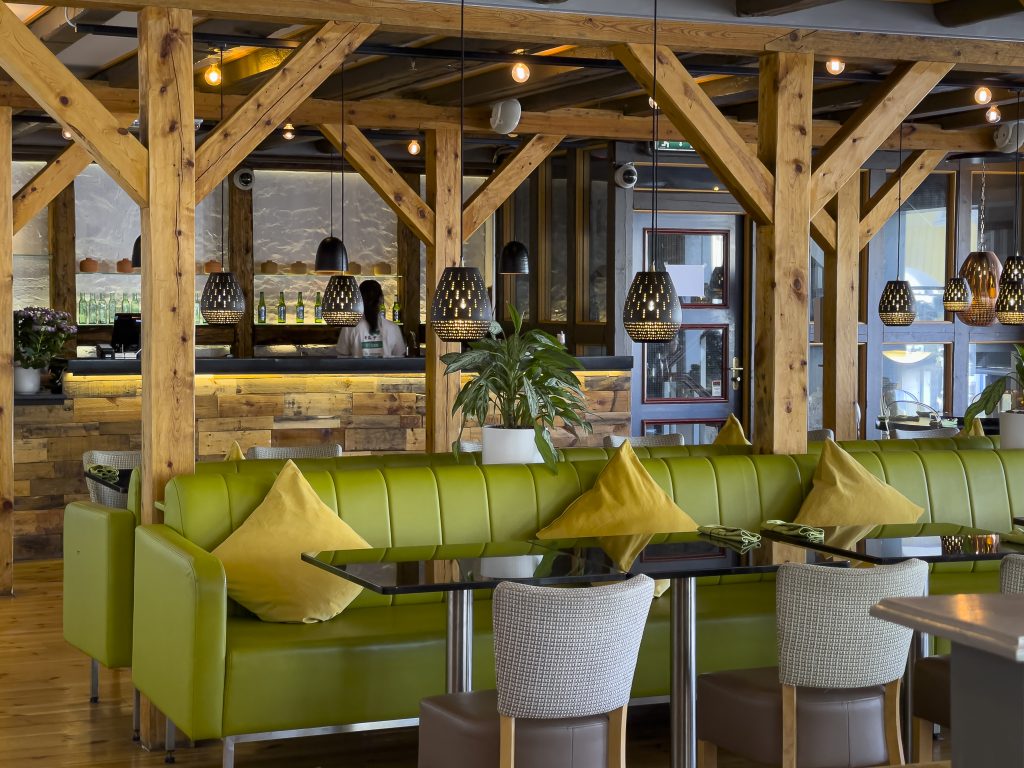
Expansive and bright with exposed wood beams, conveniently located right downtown in Ingólfstorg. There’s a small shrine to the Supreme Leader that’s unobtrusive enough that you might miss it. The visually aggressive posters are harder to ignore: vegan athletes, vegan doctors, vegan celebrities dotting the otherwise attractive space. These guys are out to proselytise. The staff is efficient but don’t expect much hand-holding. When I asked about a particular ingredient, the answer I got was “Google it.” Fair enough.
The monthly buffets run 2.990 ISK per adult and are one of the best deals in the city. About two dozen different dishes, all-you-can-eat. It’s a great opportunity to try things you might not otherwise order, particularly the Asian faux meats and pan-Asian dishes you might not recognise. “When I asked about a particular ingredient, the answer I got was “Google it.” Fair enough.”
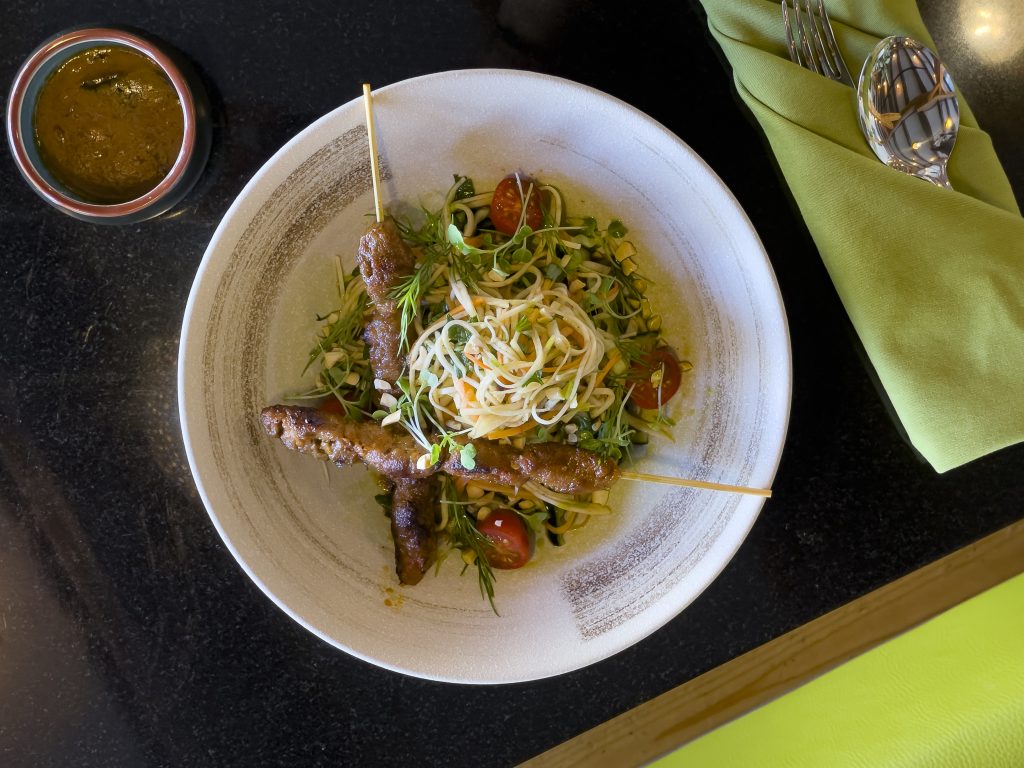
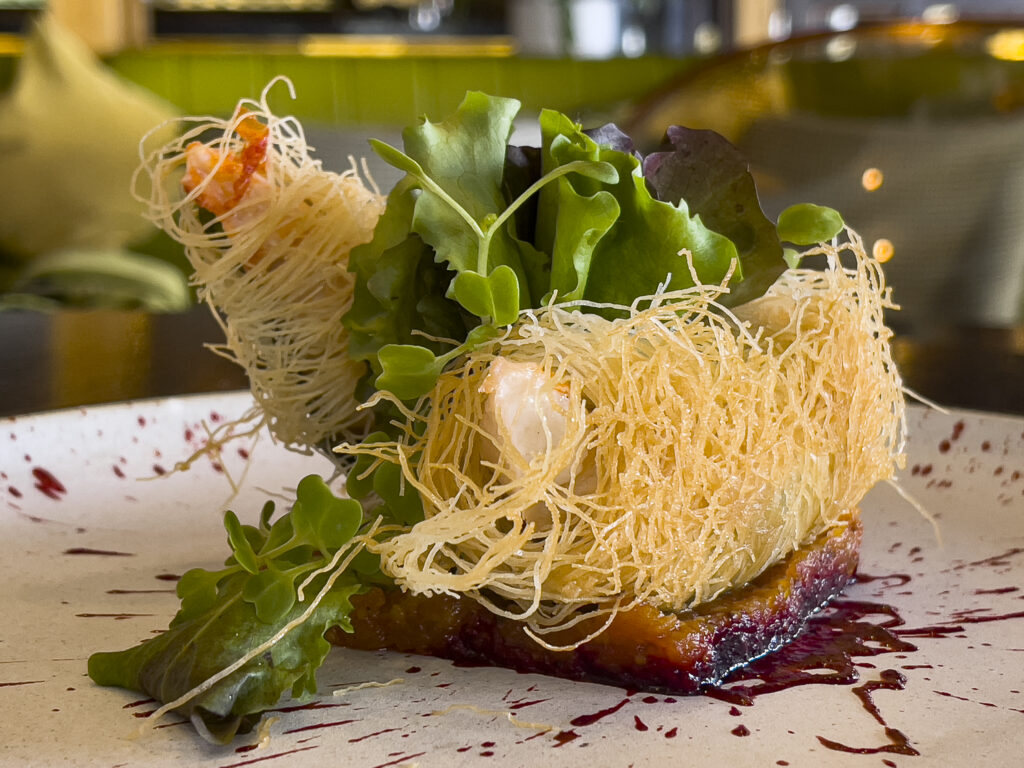
The menu variety can be intimidating if you aren’t familiar with Asian dishes. The “recommended” label helps. The Thai Salad is a fresh and bright green papaya salad with veggie meat skewers that makes a great main despite being listed as an appetiser. The banh mi sandwich is solid and the restaurant draws regulars for that alone, some of whom aren’t even vegetarian. The Bun Bo Hue, a Vietnamese (vegan) beef stew, is a standout, as is the Rice Vermicelli, which arrives covered in veggie meats, vegetables, a spring roll, and tasty broth. The vegan deep-fried shrimp seems intimidating, as do most faux fish dishes, but they’re good and even kid-approved when I went with my nine-year-old son. The Thai Iced Coffee is excellent.
This is food built for abundance, not finesse. Accessible pan-Asian food with lots of flavour that’s nice enough to take your non-vegan friends and family to. Centuries of Buddhist monk innovation in Asian vegan techniques, franchised globally.
Mama Reykjavík
The vibe here is completely different. No faux meats. In fact, no soy at all. Since they moved to their newer location next to BakaBaka, they’ve stepped up the class. The place is a bit hidden downtown but feels like a cosy hideaway.
Mama describes itself as a “sanctuary,” the kind of earnest hippie wellness language that usually makes you roll your eyes. And yet they deliver it in spades. If you’ve been to hippie restaurants that may or may not have been co-located with a yoga studio, you know the vibe, except these guys make it elegant enough for a date night. The waitstaff is genuinely attentive and enthusiastic, walking you through the menu with the kind of patient guidance that heightens the anticipation.
The restaurant came into being through cacao ceremonies, which explains the spiritual framing and why it actually holds. This isn’t wellness aesthetic. It’s spiritual practice that evolved into a restaurant.
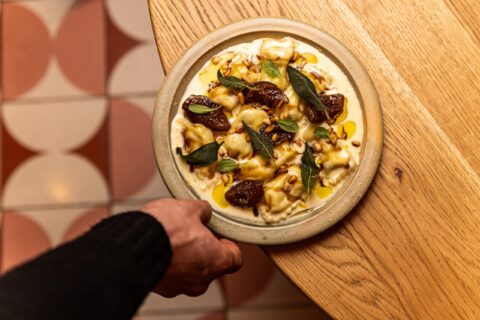
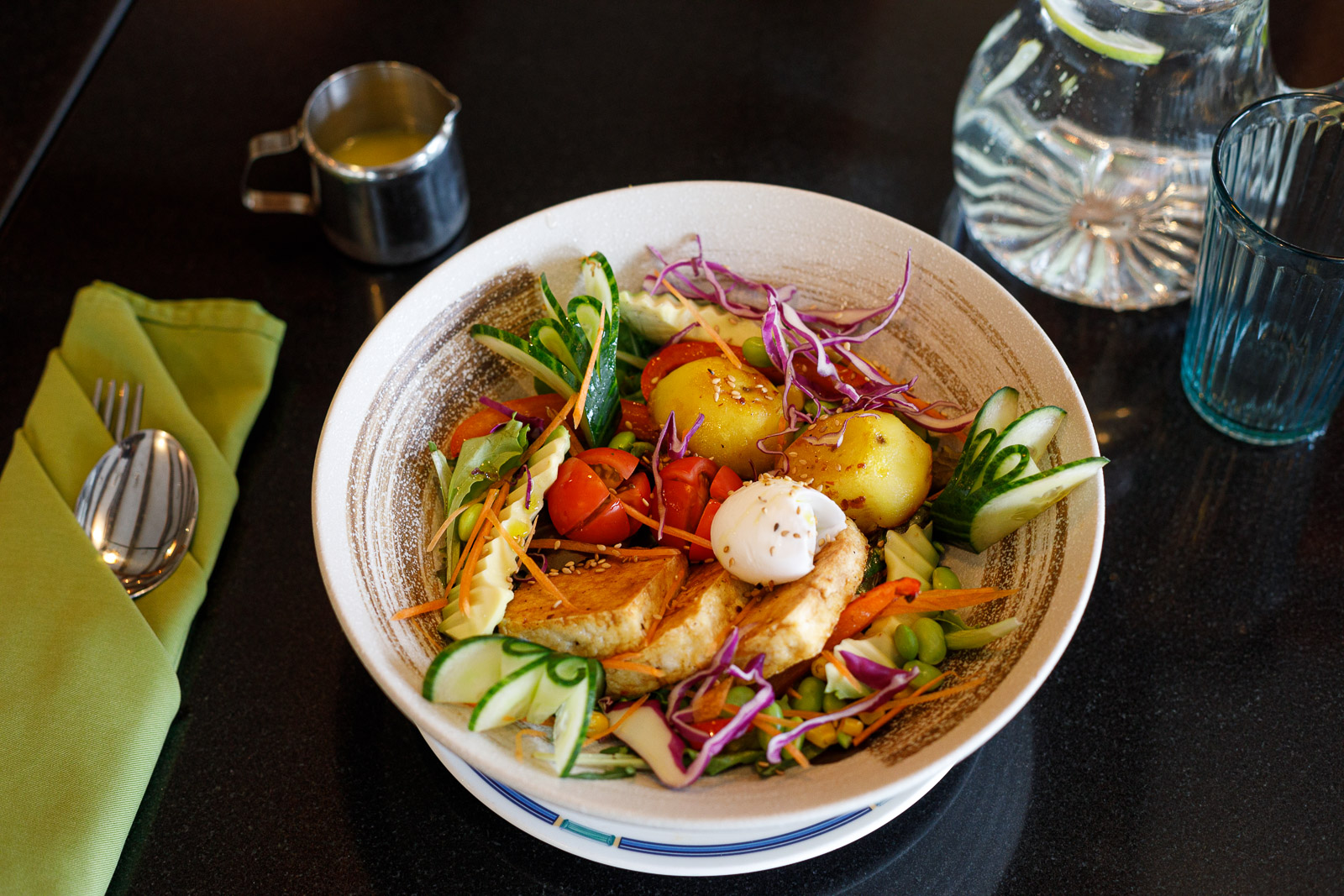
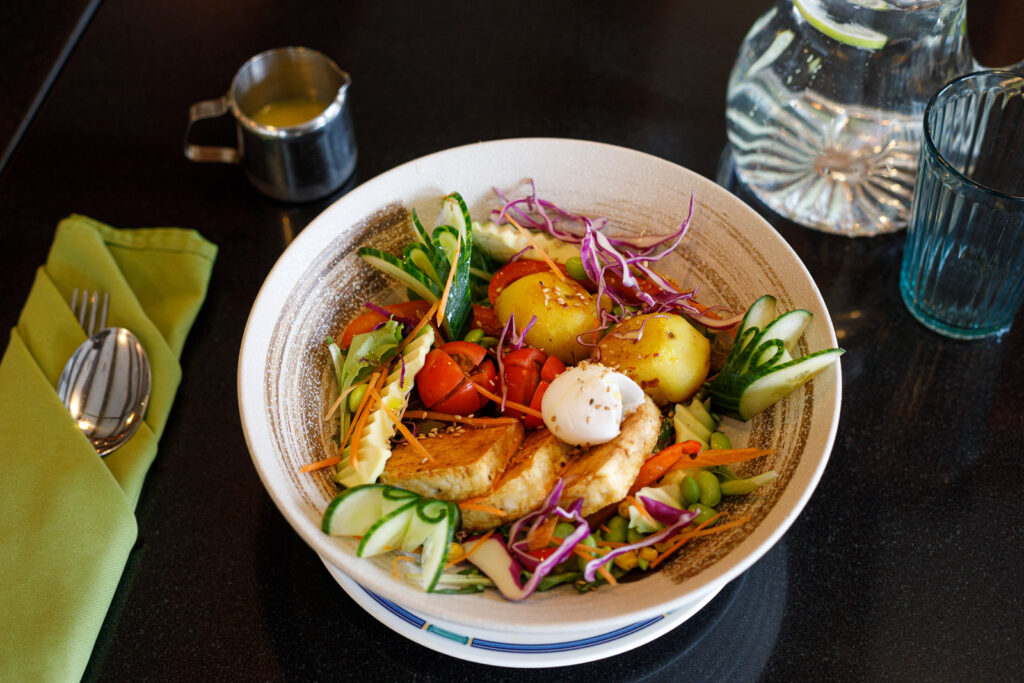
The menu centres on stews: rice and dal, rice and curry, rice and chilli, rice and African peanut stew. The dal with its unique lemongrass profile is simple but incredibly flavourful. Where the restaurant really stands out are its starters, salads, and desserts. The nachos are phenomenal, making up for what they miss in cheese with well-spiced beans and plentiful guacamole. The guac may very well be the best in Iceland. The salads are shockingly good, beautifully presented, and perfectly balanced. The “orgasm” cake is a vegan cheesecake you’d be hard-pressed to believe is vegan. “If you’ve been to hippie restaurants that may or may not have been co-located with a yoga studio, you know the vibe, except these guys make it elegant enough for a date night.”
They use ingredients like tahini instead of soy, leveraging its protein and calcium. The tahini smoothie is creamy and rich in a way that sounds odd but absolutely works. I’m still thinking about it. I will be going back for it.
The cacao beverages tie back to the restaurant’s ceremonial origins. These guys take their cacao seriously. The grilled naan bread is chewy and flavourful, perfect for soaking up the stews. They have a small alcohol selection, reasonably priced.
This isn’t a cult restaurant in the traditional sense. Just lifestyle commitment so deep you wouldn’t be surprised if it were. But they actually create the sanctuary they promise, which makes the earnestness feel earned.
True believers
Vegan World Peace draws on centuries of Asian tradition and operates within a global spiritual movement’s structure. Institutional belief and scale. Mama represents something else: intimacy, ritual, constraint-as-identity. The granola café grown up, cacao ceremony made dinner-worthy.
Both survived the gold rush because both actually meant it. One believes in Supreme Master Ching Hai’s teachings. The other believes in the power of really good guacamole and ceremonial cacao. Turns out both commitments work.
Iceland’s vegan scene isn’t back to zero, but it’s not the boom times either. The survivors offer better quality than the peak quantity ever did. You can get vegan options at most restaurants now, which is impressive for a place that didn’t have a word for it 20 years ago.
But when you win mainstreaming, you trade dedicated spaces for accessibility. Vegan World Peace and Mama Reykjavík matter because they refuse that bargain. They’re not just restaurants with vegan options. They’re spaces that refuse to be just another spot with a Beyond Burger on the menu.