

kvennafrídagurinn
Most read
Latest
-
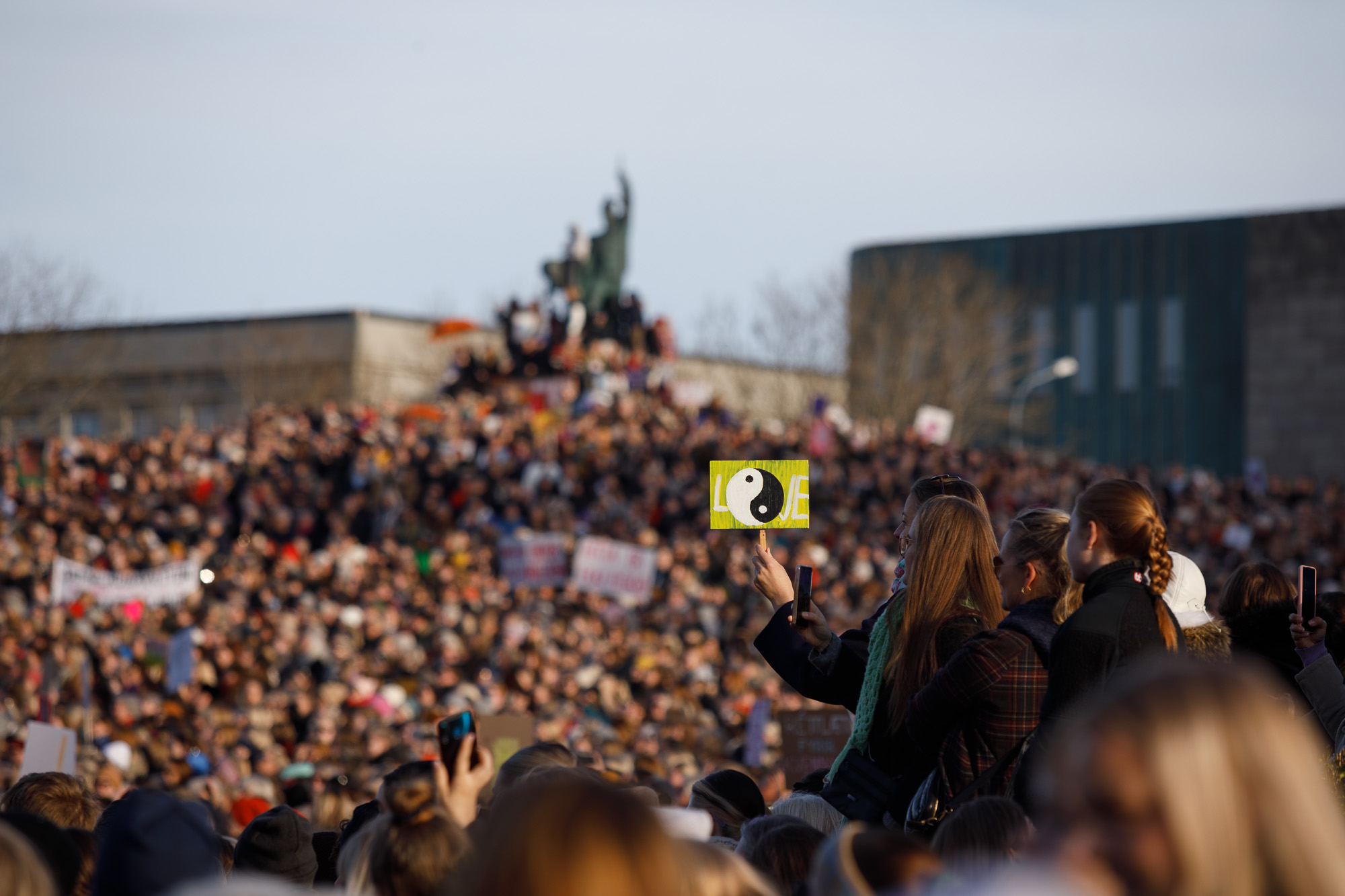
Grapevine Events: Kvennaverkfall And Kvennaár Celebrations
This week marks the 50th anniversary of Kvennafrídagurinn, or the Women’s Day Off, where 90% of women in Iceland went on strike to make society acutely aware of how much work — both in the professional sphere and domestically — was being…
-
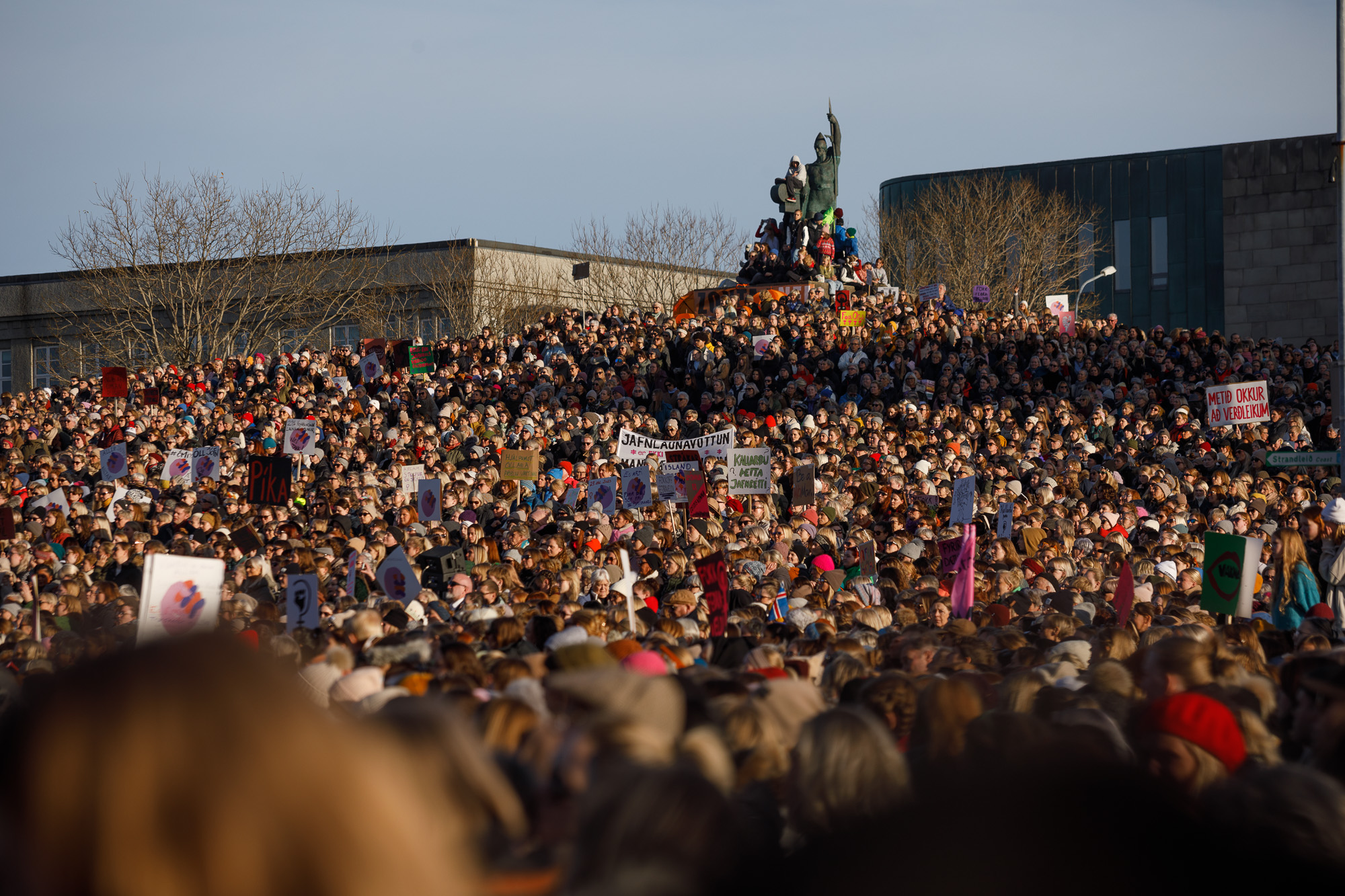
Last Words: In The 50 Years Since The First Women’s March, What Has Changed?
This issue, we reached out to some friends of the Grapevine to ask one question: in the 50 years since the first women’s march, what has changed? Here are some of the responses. “Well, women are now a driving force in Icelandic…
-
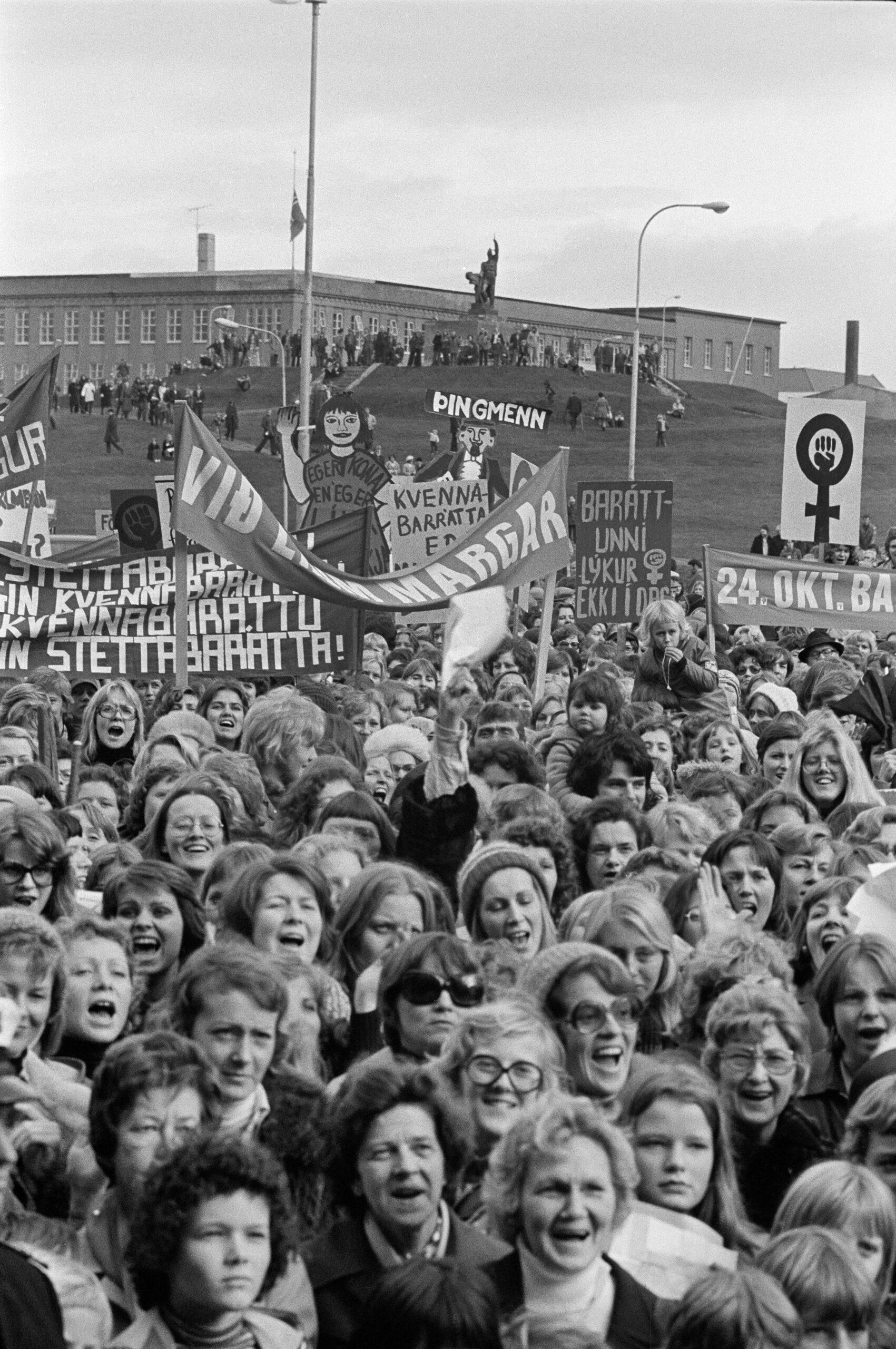
Now & Then: The Women’s Strike 50 Years Ago Has Changed Iceland
An initiative that had a meaningful impact On October 24, 1975, 50 years ago this month, 90 percent of all women in Iceland went on strike. Their purpose: to show the importance of women in the workplace. Their demands: Equal pay and…
-
Editorial: In A Land Without Kings, Inspiration And Dignity
Celebrating the truly exceptional people who caused change, and acknowledging the grace of accepting it This is the age when indecent men declare themselves kings, and in far too many places a weary public accepts the decree. Mercifully, Iceland has no kings.…
-
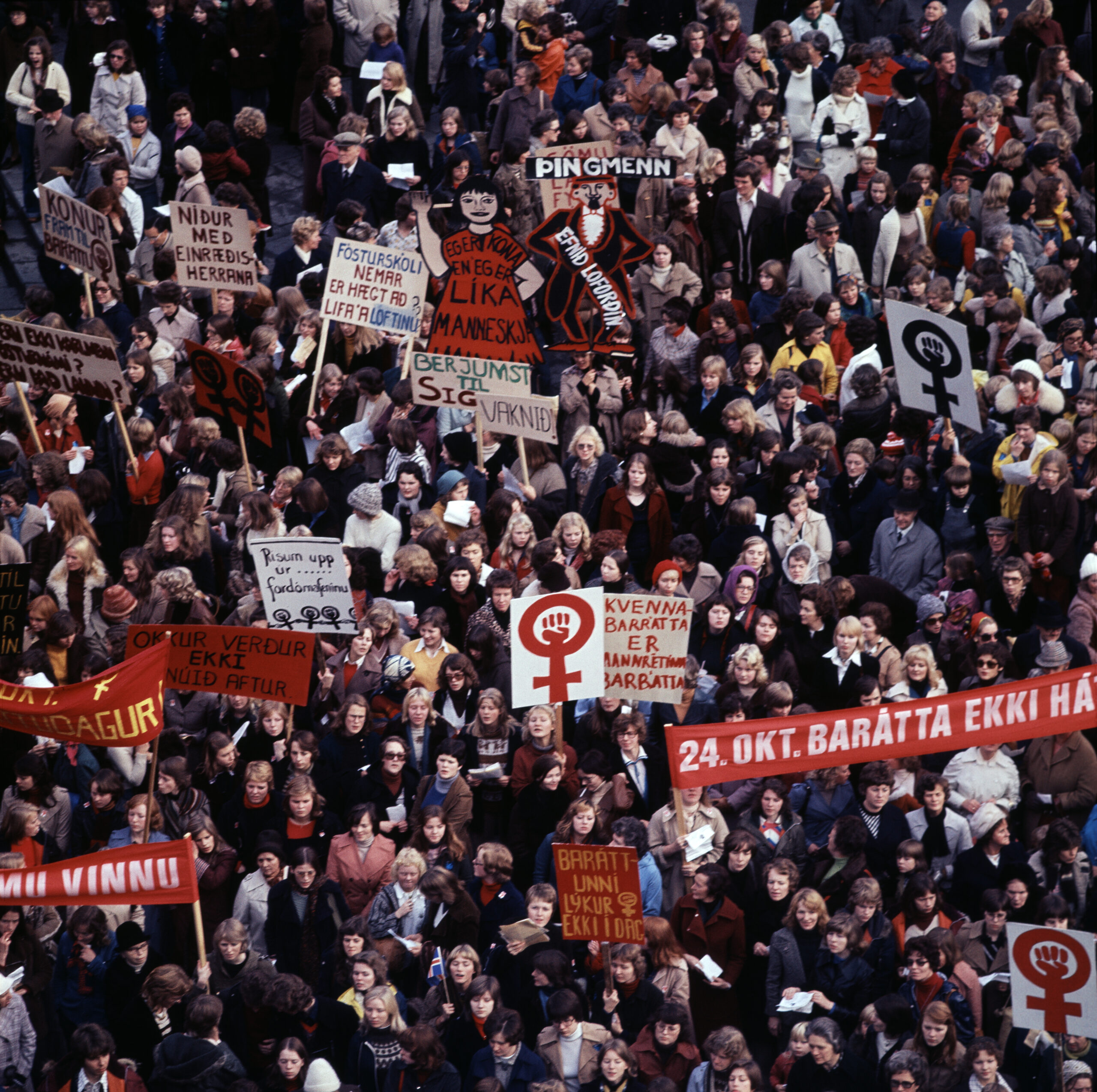
Fifty Years Later, Push For Equality Continues: Remembering The Strike That Stopped The Nation
On October 24, 1975, 90 percent of women all around Iceland went on strike. Twenty-five thousand of them gathered on Arnarhóll hill in Reykjavík to show how undervalued their contribution to society was, both in the labour market and at home, and…
-
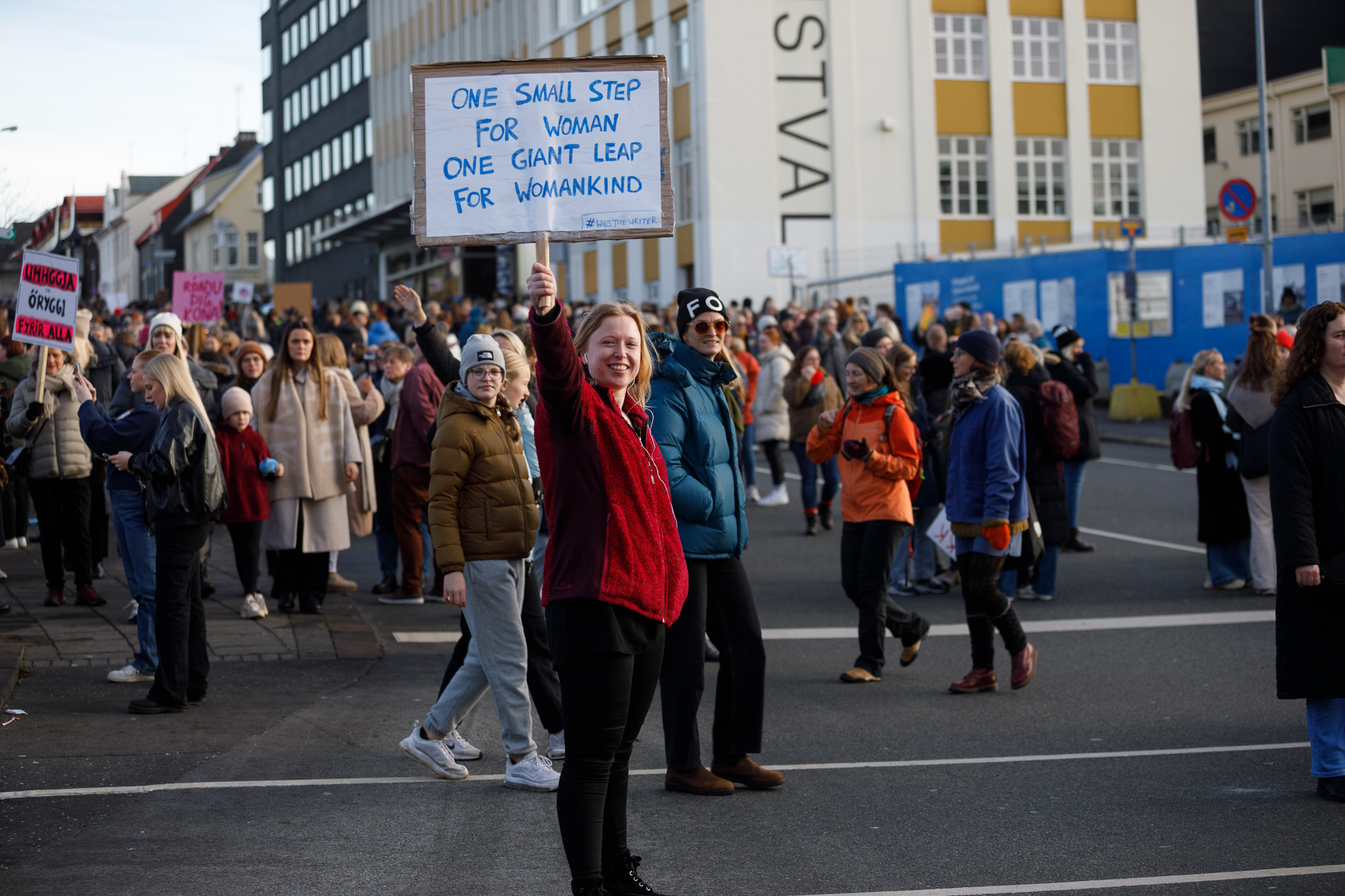
PHOTOS: Women’s Strike In Reykjavík
Tens of thousands of people participated in the Women’s Strike on October 24. Based on preliminary police estimates, it is believed that between 70,000 to 100,000 people gathered today. The strike was organised as part of the National Women’s Holiday (Kvennafrídagurinn). First…
-
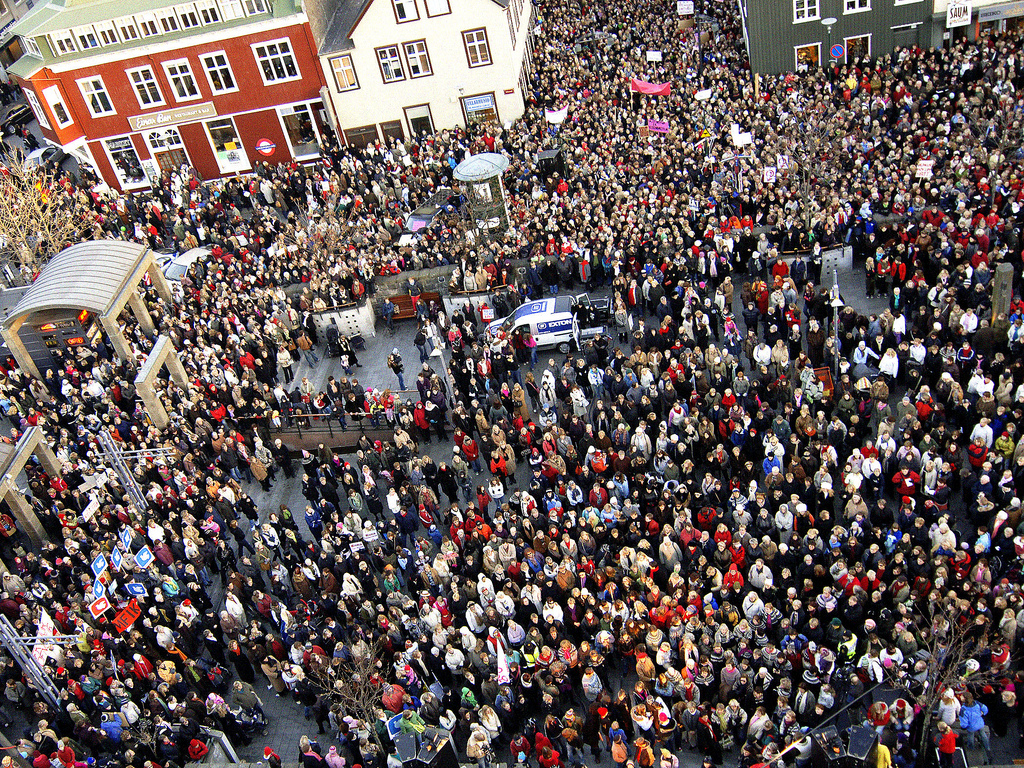
General Women’s Strike Organised For Seventh Time
On Tuesday, October 24, women and non-binary people in Iceland are encouraged to strike, protesting pay inequality and gender-based violence. The strike is organised as part of the National Women‘s Holiday (Kvennafrídagurinn). First organised in 1975, about 90% of working women marched…