In the past decade 45,000 people have moved to Iceland for work. A side effect of a tourism boom. We are now learning that some of them, often women, are victims of human trafficking. We act surprised. We shouldn’t be.
In the Icelandic saga Laxdæla, the main character, Höskuldur, enters a slave market in Brännö, Sweden. There he finds 12 women slaves for sale. One, named Melkorka, is dressed worse than the rest, mute, yet triple the price. The main character, driven by lust, buys Melkorka, and beds her immediately. To legitimise her, and the son she bears, the saga later identifies her as the daughter of an Irish king; we find out she is not mute.
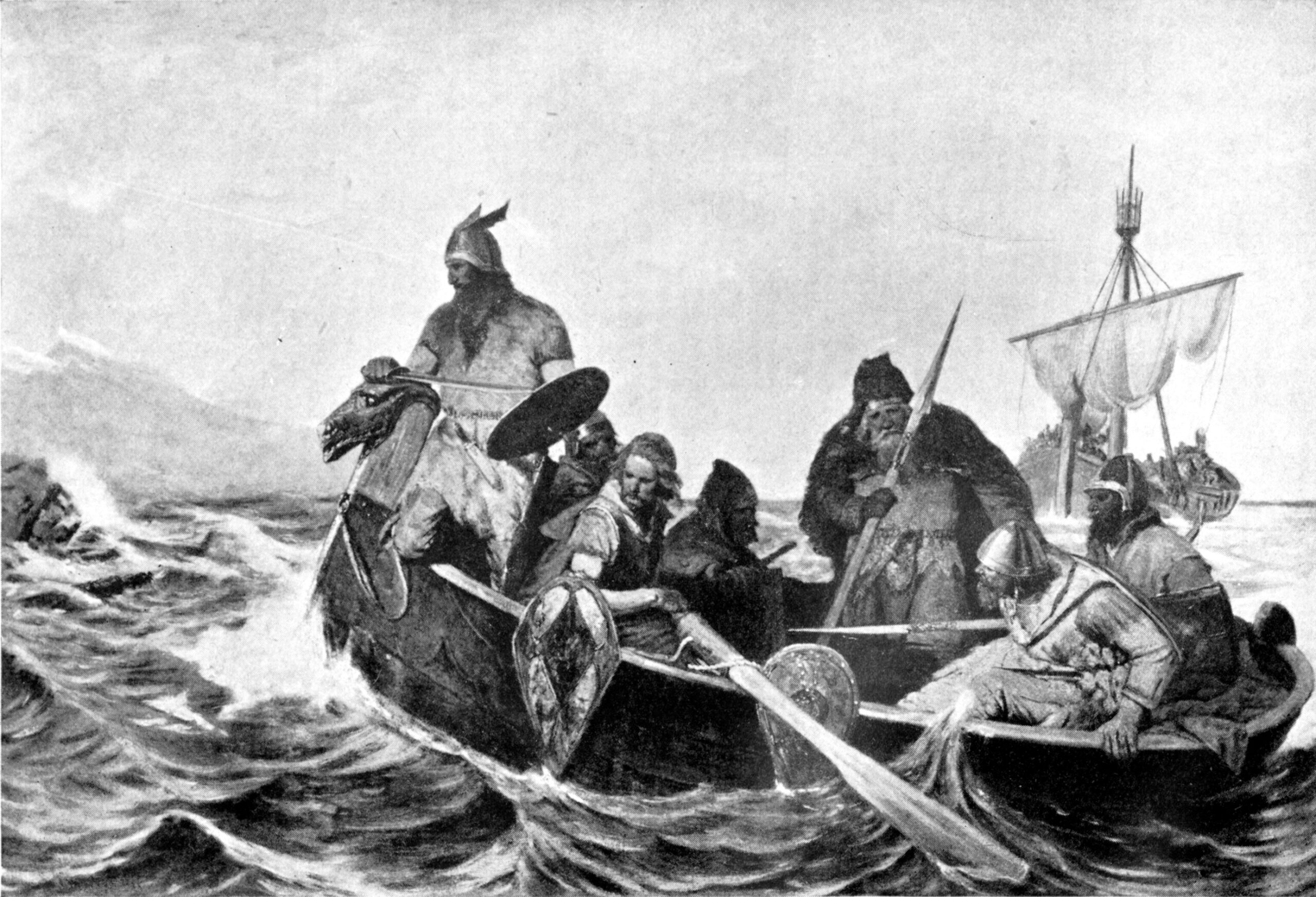
This is to say that, while we often declare ourselves sons of kings, human trafficking is a big part of the settlement story of Iceland. Scandinavian tax dodgers pick up women slaves in the British Isles, then move to Iceland. In less than a century, around 50,000 people had settled in Iceland.
Fifty years after the first Women’s Strike, women’s rights have progressed impressively in Iceland. However, as noted with the current human trafficking scandal, we see marginalised women, mute, without agency, being treated like medieval thralls. Again.